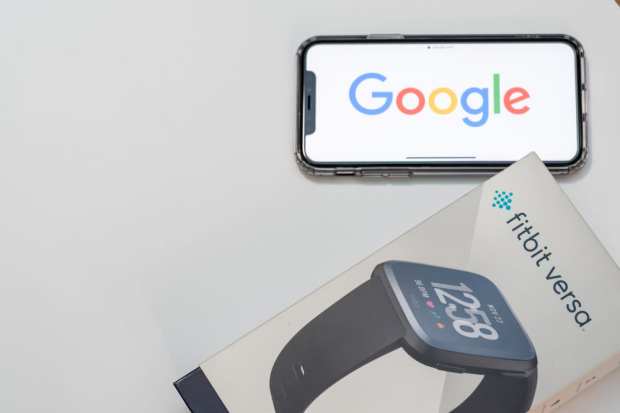
Google will have to make “major concessions” to win speedy European Union approval of its planned purchase of Fitbit, the Financial Times reported on Thursday (July 23), citing unnamed sources.
Consumer groups and regulators have argued since the deal was announced in November 2019 that Google would have an unfair competitive edge if it had Fitbit’s health information.
We’d love to be your preferred source for news.
Please add us to your preferred sources list so our news, data and interviews show up in your feed. Thanks!
According to the FT report, the stakes are high as Google and EU regulators work through the approval process for the deal. The longer those discussions continue, sources told the paper, the more likely that the EU will lose bargaining power.
Google reportedly declined to comment on the current state of negotiations with the European Commission, but in a prepared statement said: “Throughout this process, we have been clear about our commitment not to use Fitbit health and wellness data for Google ads and our responsibility to provide people with choice and control with their data. Similar to our other products, with wearables, we will be transparent about the data we collect and why. And we do not sell personal information to anyone.”
Reuters reported that when Google initially made the pledge about 10 days ago, a company representative said, “This deal is about devices, not data.”
The Financial Times reported in early July that dozens of consumer groups had expressed grave concerns about putting health data into Google’s hands, lest the Silicon Valley giant use it to target ads.
In April, Reuters reported that consumer groups said they were especially worried about a Google-Fitbit deal because Google has few rivals in the search engine space.
See More In:
acquisitions, Antitrust, Competition, Editor's Picks, EU, European Union, Fitbit, Google, international, News, Regulators, What's Hot


 Add as Preferred Source