New details about the Apple iPhone 8’s facial recognition capabilities have emerged, revealing the next version of the smartphone will include enhanced biometrics and cybersecurity functions. The news reports come on the heels of a previous leak detected by a technology blogger.
The Apple HomePod device’s firmware revealed a reference to an iPhone 8 biometrics features like an infrared facial recognition unlock function codenamed Pearl ID. The feature would enable users to unlock the iPhone 8 in the dark, even if they were looking at it from a strange angle with their faces partially obscured. The biometrics technology could replace the company’s fingerprint sensor, TouchID.
We’d love to be your preferred source for news.
Please add us to your preferred sources list so our news, data and interviews show up in your feed. Thanks!
Tech Crunch is also reporting news of a reference to a setting or a feature — dubbed “resting.pearl.unlock” — which would allow users to unlock their phones while the device is resting on a table, desk or any other flat surface.
In addition, the firmware code also contains references to third-party apps using Pearl ID, which could allow developers to provide facial unlocking for sensitive data. Developers can already use the Touch ID sensor for such data with recent versions of the iPhones.
Apple seems to be working hard to make facial recognition more convenient than a fingerprint sensor, though. There are rumors that the company is currently working on three different iPhone models. Apple is expected to announce a more powerful iPhone 7 and iPhone 7 Plus model in September, as well as an additional super premium phone.
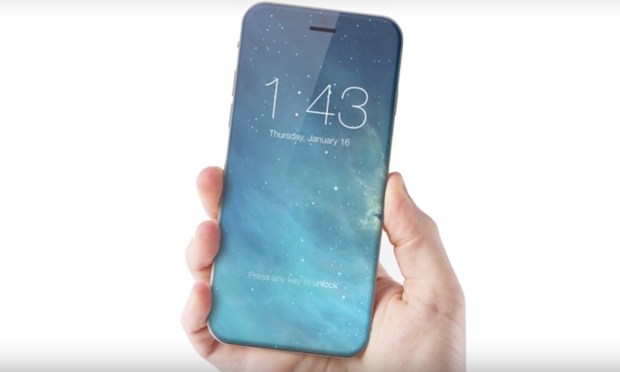
The rumored “iPhone 8” is expected to feature a taller screen which will completely fill the front of the device, except for the speaker, camera and sensors at the top. It is expected to launch later this year.


 Add as Preferred Source