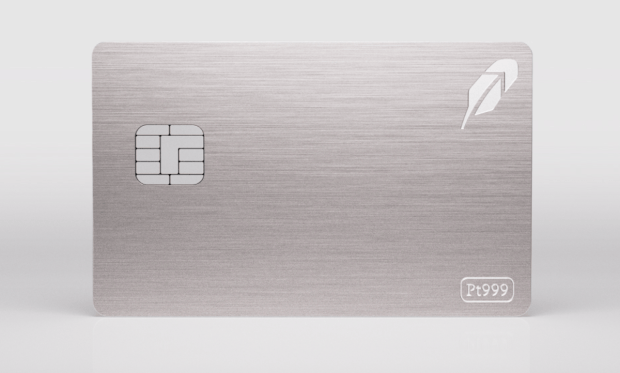
As the Wall Street Journal (WSJ) reported Wednesday (July 22), cardholders argued that the rewards associated with the card — which carries an $695 annual fee — were not that rewarding.
“Everybody saw the feedback,” Deepak Rao, vice president and general manager of Robinhood Money, told the WSJ.
He added that the company wanted to address customer complaints that the card felt like a “coupon book,” with spending minimums needed to access perks.
Robinhood says it has begun sending sign-up offers to its highest spending Gold cardholders, the report added, with additional invitations expected in the months ahead. Rao said more than 50,000 people requested a card in the week its initial announcement.
The WSJ characterizes the rollout as part of Robinhood’s efforts to become an all-in-one financial platform, especially for wealthier customers who don’t mind paying for a premium card. As the report points out, banks have been aggressively targeting these consumers, with companies like American Express and Chase hiking their card fees.
We’d love to be your preferred source for news.
Please add us to your preferred sources list so our news, data and interviews show up in your feed. Thanks!
In addition to most of its already-announced perks, Robinhood’s platinum card will now feature an annual travel credit of $1,000, up from the previous $800, the report added.
The company also eliminated limits on the DoorDash and fitness wearable credits, the WSJ said, pointing out that DoorDash offering had been an especially sore point for cardholders.
The card offered $250 in DoorDash credits, but they could only be used in $10 increments and on orders of at least $50. Now the annual credit is just $120, but cardholders can use $10 a month in any way they want, the report said.
Meanwhile, recent PYMNTS Intelligence research into the attitudes of credit card issuers uncovered a “relevance problem” among traditional reward offers.
These rewards still function fairly well as “blunt instruments,” encouraging card use and engagement, but they don’t perform as well where issuers increasingly require precision, PYMNTS wrote earlier this month.
The research found that under half of issuers surveyed said their current incentives drive loyalty or retention. Just 47% said rewards cause cardholders to switch to their cards, and only 40% say they impact the timing of spending.
“Smart basket technology attacks that weakness by making rewards immediate, contextual and transaction-specific,” PYMNTS wrote.
“Instead of asking consumers to activate an offer in advance or wait for a statement credit after purchase, the system can identify eligible savings in real time and apply them at checkout. The value becomes visible at the moment the consumer is deciding how to pay.”


 Add as Preferred Source