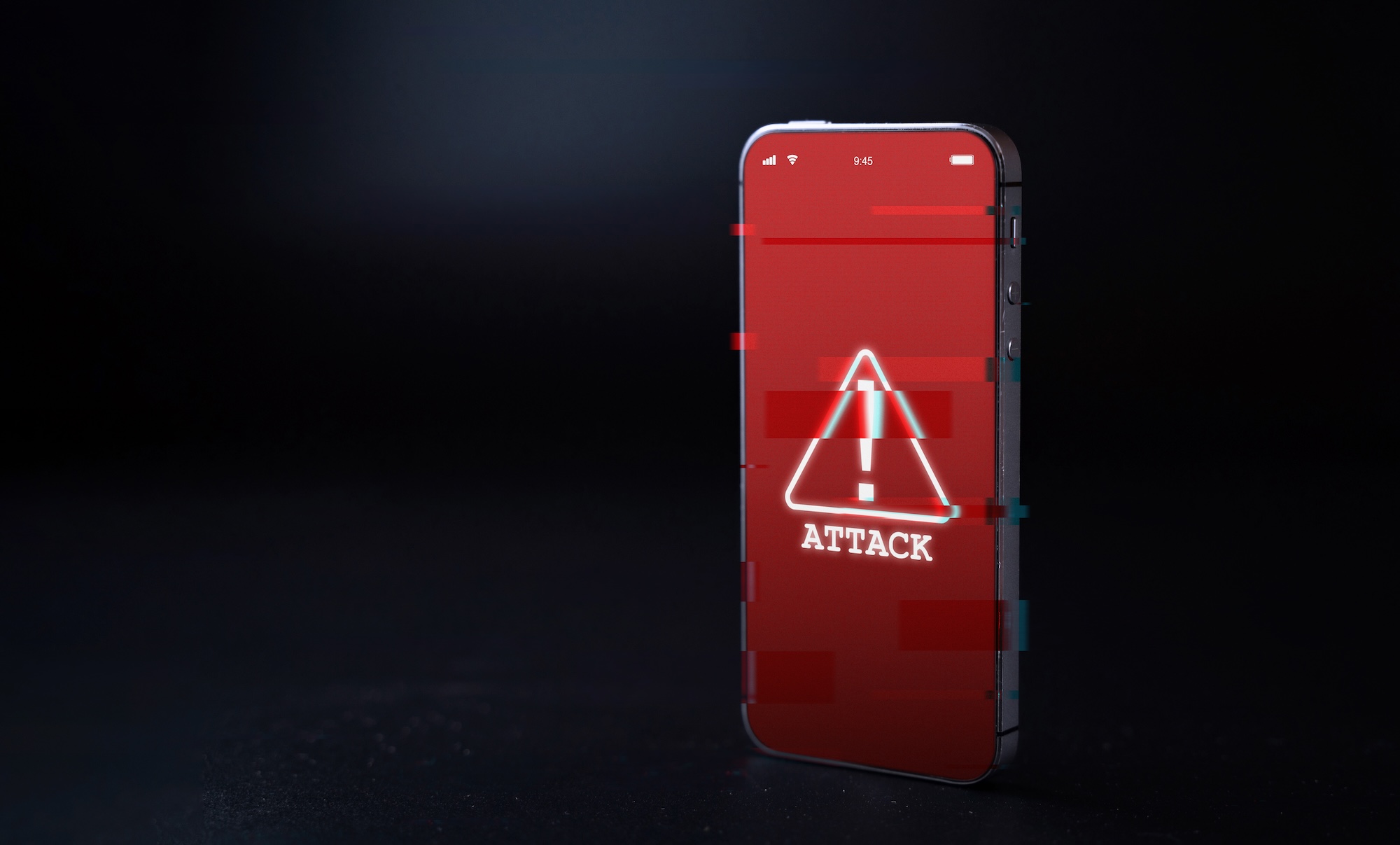
New cybersecurity research shows cryptocurrency thieves are using online ads to break into users’ iPhones.
That’s according to cybersecurity company Confiant, which published findings recently on a widescale “malvertising” (malicious advertising) campaign known as “MoldyRoost.”
“Just loading the landing page of a MoldyRoost ad on a vulnerable iPhone is enough to get infected,” researchers Roshan and Eliya Stein wrote in a report published last week and flagged in a report Monday (Nov. 23) from CoinDesk. “The exploit runs while the landing page loads, with no decoy download or ClickFix-style command to paste.”
The researchers connected more than 480 ad domains to the campaign, taking place between May 12 and Nov. 17 of this year, with more than 47 countries targeted.
The campaign employs a series of “exploit kits” — Coruna, DarkSword, SilkPath and GhostWave — designed to “exfiltrate crypto wallet seed phrases, keychain (password manager) data, messages and photos,” the report said.
The different exploit kits do different things. For example, Coruna’s “implant hooks wallet apps such as MetaMask, Phantom and Trust Wallet and hunts for seed phrases in Apple Memos and QR codes in saved images.”
DarkSword’s data miner targets iMessage, WhatsApp and Telegram data, the keychain, saved Wi-Fi passwords, photo metadata, location history and wallet data in a single pass, “while one of its backdoors can take screenshots and record the microphone.”
The news comes at a time when the crypto industry is dealing with a wave of hacks and theft, including the record $6.3 billion heist from Binance in late October.
“The question is no longer simply whether crypto companies can reimburse customers after a breach but whether the industry’s security architecture can evolve quickly enough to make these extraordinary reimbursements unnecessary,” PYMNTS wrote earlier this month.
“An industry built around instantaneous settlement, programmable assets and reduced dependence on financial intermediaries is discovering that some of these same capabilities complicate the controls needed to protect institutional-scale pools of capital.”
The fact that Binance reimbursed customers, that report said, shows that large crypto businesses can mobilize financial resources following an attack.
While restoring customer balances addresses one dimension of financial harm, it doesn’t show that the underlying vulnerability has been eliminated, that all affected assets have been recovered or that the institution could withstand a similar attack, the report added.
“For financial institutions considering tokenized deposits, stablecoin settlement or digital asset custody, the relevant question is not whether a blockchain can securely record a transaction,” PYMNTS wrote. “It is whether the surrounding institution can establish that the transaction was authorized, appropriately reviewed and consistent with its risk policies before settlement becomes irreversible.”