The competitive frame has shifted. The market is now mature, profitability matters, and the next frontier is no longer simply moving people from point A to point B. It is about building the operating system for urban mobility, commerce and eventually autonomous transportation.
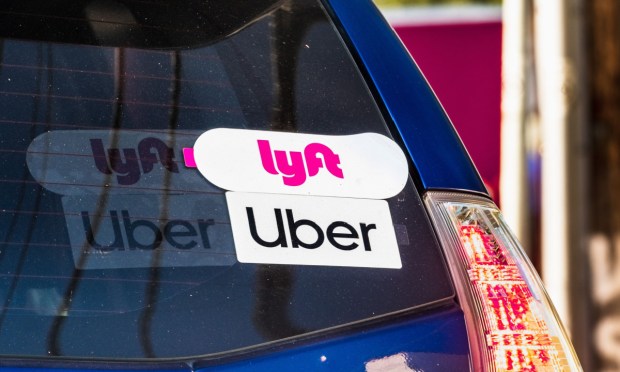
Both companies are growing. Both are profitable. Uber posted quarterly results on Wednesday (May 6) that investors received better than Lyft’s Thursday (May 7) financials. Both firms are leaning into AI and autonomous vehicles. But their visions of what comes next could hardly be more different.
See also: Uber Makes Billion-Dollar Bet on Rivian Robotaxis
Uber’s Push to Become an Everyday Life Infrastructure Platform
Uber increasingly resembles a sprawling mobility and logistics platform. Lyft, by contrast, is positioning itself as a focused transportation company built around customer experience, premium services and strategic partnerships.
Uber CEO Dara Khosrowshahi described the company’s strategy as expanding “everyday utility” across travel, delivery, commerce and mobility. Uber reported 21% year-over-year gross bookings growth, accelerated mobility growth and a delivery business increasingly driven by grocery and retail.
The company also highlighted ecosystem metrics: 50 million Uber One members, 10 million drivers and couriers and rising cross-platform usage.
Uber no longer wants to own a single transportation moment. It wants to orchestrate everything around it — airport rides, hotel reservations, restaurant delivery, retail shopping and eventually autonomous fleets. The company says three-quarters of Uber rides already use AI to predict where a customer wants to go before the destination is entered.
Uber also frames autonomous vehicles as a growth opportunity rather than a threat. Khosrowshahi described AVs as a “$1 trillion TAM” and positioned Uber as the connective tissue between autonomous technology providers and real-world operations.
The launch of “Uber Autonomous Solutions” reflects a belief that long-term value lies not just in autonomous software, but in the surrounding infrastructure: fleet management, charging depots, financing, insurance and rider demand.
Read also: Lyft Draws Big Spenders With Rewards and Partnerships
Lyft’s Case for Staying Focused on Rideshare
Lyft’s outlook was narrower but disciplined. CEO David Risher has spent the last several quarters emphasizing customer obsession, operational consistency and profitable growth.
We’d love to be your preferred source for news.
Please add us to your preferred sources list so our news, data and interviews show up in your feed. Thanks!
Unlike Uber, Lyft is not trying to become a super app. It has no delivery business, no grocery ambitions and no commerce marketplace layered on top of transportation. Instead, Lyft is doubling down on mobility itself. The company reported double-digit growth in riders, bookings and EBITDA, while holding gains in U.S. rideshare market share.
Partnerships are central to its strategy. Lyft sees external ecosystems, not internal diversification, as its path to customer acquisition and engagement. Partnerships with DoorDash, United Airlines, Hilton, Alaska Airlines and others are driving a growing share of ride demand. Partnership-tagged ride requests now account for roughly 27% of Lyft rides.
The acquisitions of FREENOW and Gett signal an international expansion model rooted in taxis, regulated markets and enterprise mobility. Executives also stressed higher-value ride modes like Lyft Black, XXL vehicles, chauffeured services and airport-focused demand.
Lyft is beginning to resemble a premium mobility network rather than a mass-market rideshare platform.
See also: Nvidia’s Automotive Business Emerges With 32% Growth in Q3
Autonomous Vehicles and the Future of the Uber-Lyft Rivalry
Autonomous vehicles remain the biggest strategic wildcard. Both companies argue AVs will expand the overall market rather than cannibalize existing rideshare demand. Both also claim early evidence that AV deployment is growing total rideshare usage.
Uber’s approach is broad and infrastructure-heavy. It wants to integrate every major AV provider into its marketplace while monetizing the operational ecosystem around them.
Lyft appears more dependent on a smaller number of AV relationships, particularly Waymo. But the company argues its operational intensity and utilization rates make it an attractive long-term AV operator.
The clearest takeaway from this earnings season is that Uber and Lyft are no longer converging. They are diverging. Uber believes the future belongs to integrated ecosystems powered by AI, logistics and cross-platform engagement. Lyft believes there is still substantial value in building a highly trusted, mobility-focused brand.
The next decade will determine which vision proves more durable.


 Add as Preferred Source