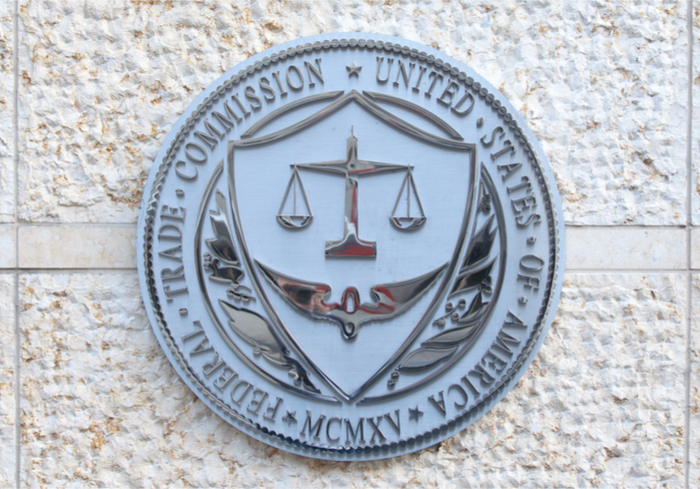
“The FTC takes very seriously recent press reports raising substantial concerns about the privacy practices of Facebook,” Tom Pahl, acting director of the Federal Trade Commission’s Bureau of Consumer Protection, said in a statement. “Today, the FTC is confirming that it has an open non-public investigation into these practices.”
In addition, Pahl said the agency takes all privacy concerns seriously. To protect the privacy of consumers, the agency has tools such as enforcement actions, he said.
“The FTC is firmly and fully committed to using all of its tools to protect the privacy of consumers,” Pahl said. “Foremost among these tools is enforcement action against companies that fail to honor their privacy promises, including to comply with Privacy Shield, or that engage in unfair acts that cause substantial injury to consumers in violation of the FTC Act.”
The news comes as U.S. legislators are asking Facebook CEO Mark Zuckerberg to testify at a hearing, Reuters reported on Friday (March 23). “The hearing will examine the harvesting and sale of personal information from more than 50 million Facebook users, potentially without their notice or consent and in violation of Facebook policy,” Rep. Greg Walden (R-OR) and Rep. Frank Pallone (D-NJ), along with other lawmakers, said in a letter at the time.
As far as Cambridge Analytica is concerned, the firm has made some pretty big claims — namely, that it can take raw personality data from a subset of voters and develop complex models of individuals, which campaigns can then use to target and micro-target voter communities to sway elections their way.
Advertisement: Scroll to Continue
The firm’s more specific (and biggest) claim, however, is that it conducted this advanced voter modeling for the Trump organization during the 2016 election — and that it was on the strength of those data models that Trump was able to turn swing states, like Michigan and Wisconsin, from blue to red.