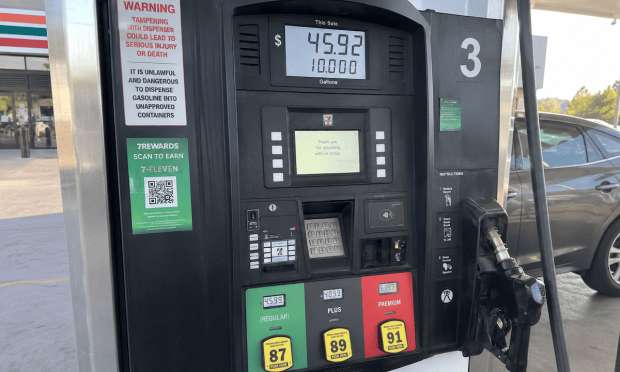
Volatile gasoline prices are doing more than squeezing household budgets.
Fuel costs are beginning to reshape the labor market by changing which jobs workers can afford to take and forcing employers and workforce platforms to rethink how they attract and retain hourly workers.
The clearest evidence is emerging in the gig economy, where driving is the job itself. DoorDash, Uber, Lyft, Instacart and other platforms debuted temporary fuel-relief programs ranging from gas discounts and cash back to mileage-based payments as fuel costs climbed in the spring.
The PYMNTS Intelligence report “When the Drive Isn’t Worth the Pay: How Fuel Costs Reshape Who Can Afford to Work” found that 64% of Labor Economy workers affected by higher fuel costs changed how or whether they work. More telling, about 15% said they had turned down a shift because the drive was not worth the pay.
Transportation problems are also translating into missed shifts, lost hours and reduced earnings, creating ripple effects for employers that depend on flexible staffing, the report revealed.
As a result, fuel prices have become another variable in workforce management, alongside wages, scheduling and benefits.
When Transportation Becomes a Hiring Issue
For decades, employers largely treated commuting as a worker expense. That assumption begins to break down when transportation costs rise faster than wages.
A worker deciding whether to accept a four-hour shift no longer evaluates only the hourly rate. Fuel, vehicle maintenance, tolls and unpaid travel time all reduce the value of that assignment before the first dollar is earned.
Among Labor Economy workers affected by higher fuel costs, 17% reported missing a shift or workday, 16% turned down work because they could not get there, and another 16% arrived late and lost hours or pay, the PYMNTS Intelligence report found. About 9% said transportation problems resulted in discipline or placed their jobs at risk.
We’d love to be your preferred source for news.
Please add us to your preferred sources list so our news, data and interviews show up in your feed. Thanks!
A restaurant missing delivery drivers, a warehouse struggling to fill overnight shifts or a home healthcare agency covering appointments all experience fuel costs differently than companies whose employees primarily work from an office.
Gig platforms have generally responded quickly because their workforces are directly exposed to gasoline prices. If drivers reduce hours or decline trips, service levels and fulfillment times suffer almost immediately. Temporary fuel incentives become an operational investment designed to keep enough drivers on the road.
Platform companies can target benefits to workers actively completing trips, while conventional employers often rely on reimbursement policies that change more slowly.
For financial institutions and payments providers, the findings also pointed toward a broader opportunity. Transportation has become another source of cash flow volatility for workers paid by the shift or assignment. Products that provide faster wage access, fuel rewards, dedicated transportation balances or tools that estimate take-home pay after commuting costs could become practical workforce benefits rather than consumer perks.
The Opportunity Extends Beyond Fuel
Banks and FinTechs also have an opportunity to turn transportation into a financial wellness benefit. The PYMNTS Intelligence report pointed to tools such as low-fee instant wage access, fuel rewards, dedicated commute balances and cash flow alerts as ways to help workers manage transportation expenses before they become missed shifts or lost income.
The platforms offering temporary fuel relief are unlikely to eliminate that challenge on their own. Most programs are time-limited, reflecting spikes in gasoline prices rather than permanent changes to compensation. Still, they represent a recognition that transportation costs have become a business issue.
As fuel prices continue to fluctuate, employers, workforce platforms and financial providers are likely to place greater emphasis on benefits that reduce commuting costs or make them more predictable.
Among the platform responses:
- DoorDash introduced an emergency fuel-relief program offering 10% gas cash back for eligible Dashers using the Crimson card plus weekly mileage-based relief payments.
- Uber expanded fuel discounts for U.S. drivers and couriers through the Uber Pro Card, Upside and Shell Fuel Rewards.
- Lyft extended its temporary driver fuel-relief program through July 26, offering enhanced cash back, Upside fuel discounts and gas rewards through Lyft Direct.
- Instacart increased gas cash back and added mileage-support payments for eligible shoppers.
- Amazon Flex presented up to 6% cash back on fuel purchases through the Amazon Flex Debit Card along with limited-time fuel savings promotions.


 Add as Preferred Source