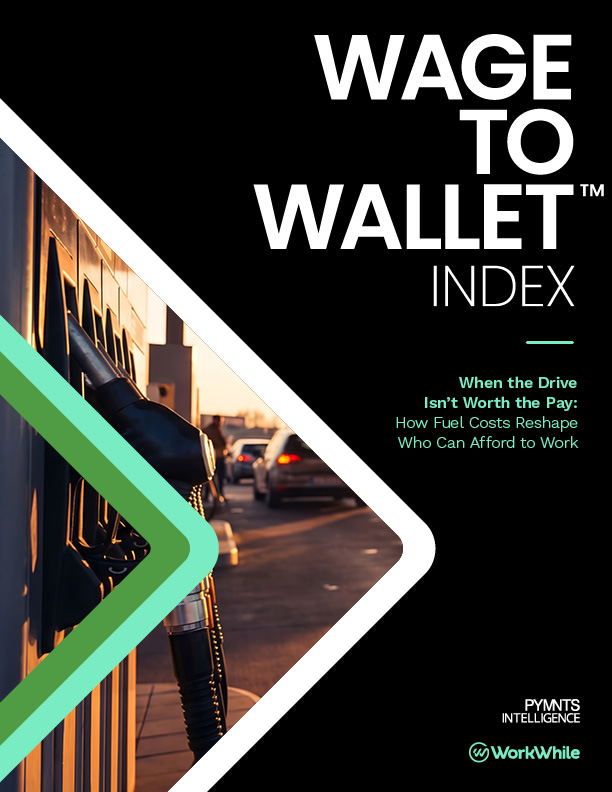
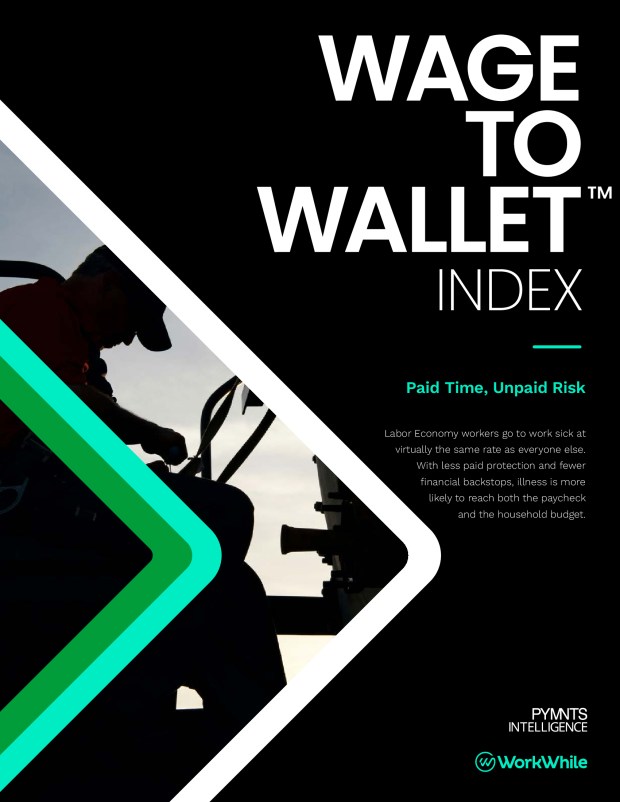
Cover for the June 2026 edition of the PYMNTS Intelligence and WorkWhile Wage to Wallet Index. PYMNTS Intelligence reports on how rising fuel costs push hourly and gig workers to turn down shifts, miss work and demand faster pay.

How Pain at the Pump Just Became a Staffing Problem

When the Drive Isn’t Worth the Pay: How Fuel Costs Reshape Who Can Afford to Work

For “When the Drive Isn’t Worth the Pay: How Fuel Costs Reshape Who Can Afford to Work,” PYMNTS Intelligence surveyed 2,465 U.S. adults to examine how rising fuel and transportation costs are reshaping access to work. The twist: commute costs eat a nearly identical share of income for lower- and higher-earning workers—so why are lower earners the ones turning down shifts? The June edition of the Wage to Wallet Index, a collaboration with WorkWhile, shows where banks, FinTechs, payments providers and workforce platforms can step in before a higher gas bill becomes lost pay or an unfilled shift.
Inside the June Index
  • Rising transportation costs are turning the commute into a new form of work friction. Fuel prices change not just what workers spend, but whether they can participate in the labor market at all.
  • Thin savings buffers amplify the impact of higher gas prices. Workers with similar commute burdens can face very different outcomes depending on how much cash they have between paychecks.
  • Financial products and workforce tools can prevent transportation stress from becoming lost income, including instant pay, fuel-related rewards, commute-aware scheduling, cash-flow alerts and emergency savings support.

    By completing this form, you agree to receive marketing communications from PYMNTS and consent to the sharing of your information with our sponsors, where applicable, in accordance with our Privacy Policy and Terms and Conditions. Sponsors may use this information to contact you directly. You may update your preferences or withdraw your consent at any time.

    Subscribeto our daily newsletter, PYMNTS Today.