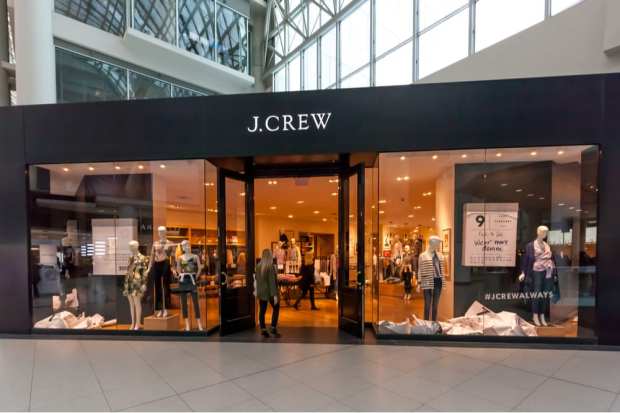
Amid fallout from the coronavirus pandemic, J. Crew Group Inc. has become the first major retailer to file for bankruptcy with intentions to cede control of the company to lenders. The retailer made its filing in a federal court with a deal to remove debt of $1.65 billion in exchange for giving ownership to those who are owed funds, Reuters reported.
Davidson Kempner Capital Management, Anchorage Capital Group and GSO Capital Partners reportedly have meaningful shares of senior debt in the company and are in a position to take control of the retailer. The firms are also giving approximately $400 million in financing to support J. Crew’s operations as it enters Chapter 11 bankruptcy proceedings.
We’d love to be your preferred source for news.
Please add us to your preferred sources list so our news, data and interviews show up in your feed. Thanks!
J. Crew intends to shutter some retail locations for good, but it has not yet decided on how many it will ultimately close, per an unnamed source. The virus’ outbreak forced the retailer shutter its almost 500 J. Crew, Madewell and J. Crew Factory locations for a time.
The market unrest and economic impacts of the crisis led to the retailer putting aside initial public offering (IPO) plans for Madewell, which will still be a part of J. Crew Group. In addition, the company noted that Libby Wadle will retain the CEO position at Madewell.
The coronavirus has affected traditional department store operators and other merchants that have been forced to close stores to stop its spread. These companies were already having trouble as consumers transitioned to online shopping before the pandemic.
The move also comes on the heels of PYMNTS COVID-19 research showing that among consumers who are now shopping more online, only one-third will go back to physical stores to shop when they reopen. More telling, perhaps, is that only 40 percent of those who used to shop in a physical store say they will resume their normal shopping activities when those stores reopen.


 Add as Preferred Source