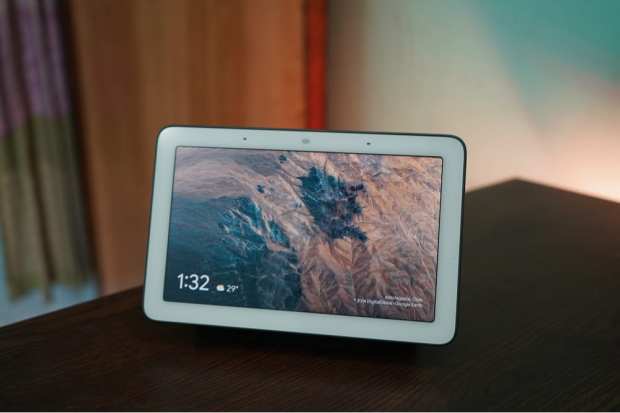
Google‘s Nest Hub smart displays aim to add new smart features to hotel rooms, including wake-up calls, extra towel requests and specials inquiries, according to a report from Android Police.
The features are aimed to update the traditional ways of dealing with the hotel lobby. Rather than using a phone to call the front desk, the Nest Hub will allow people to ask questions and more with a “Hey Google” command, the report stated, as it would in one’s own home.
We’d love to be your preferred source for news.
Please add us to your preferred sources list so our news, data and interviews show up in your feed. Thanks!
Hotels will be able to check guests out more quickly, according to the report, as well as offer control for the room’s blinds, the TV or other features. Guests will also be able to perform tasks like they would at home, such as using Bluetooth for music or activating YouTube to watch videos.
Few hotels have added the feature, although the ones that have are Fairmont Princess in Scottsdale, Arizona; Dr. Wilkinson’s Resort in Calistoga, California; Gale and Shelborne South Beach in Miami; Gansevoort Meatpacking and Synergy Chelsea in New York City; Hotel Zena and Viceroy in Washington D.C.; and Village Hotels in the U.K., which is a chain of 31 hotels. Google said other partnerships will come soon, the report stated.
In separate news, hotel robots have become more necessary amid the pandemic, which has made face-to-face human interaction more dangerous. PYMNTS reported that there are major chains using robots for things like delivery and cleaning rooms. And robot-making companies have reported an upswing in activity from customers looking for their services.
Likewise, voice-activated tech could be the biggest asset for the new trend of going touchless as people try to avoid physical contact that might transmit the coronavirus. Tom Taylor, senior vice president with Amazon’s Alexa unit, said there had been a large increase in the use of voice-activated tech at home.


 Add as Preferred Source