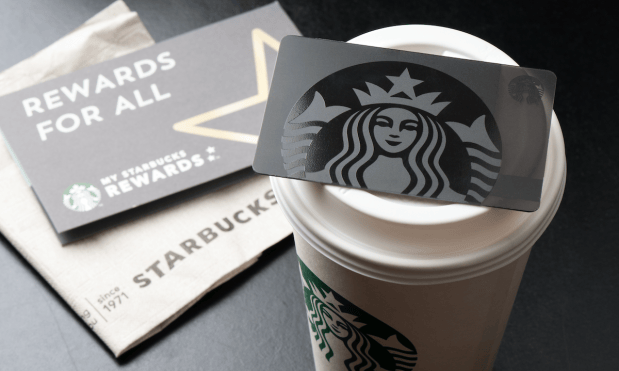
Starbucks overhauled its rewards program in this month, and customers noticed immediately. The coffee chain replaced its long-standing structure with a three-tier membership system sorting members into Green, Gold and Reserve categories based on Stars accumulated in 2025, according to Axios. The update took effect on March 10. The response from longtime customers was swift and largely hostile, offering a live demonstration of how fragile points-based loyalty programs become when program economics and customer expectations diverge.
The structural changes are significant. Under the updated model, members earn Stars through promotions such as Double Star Days, reusable cup use, app fund loads and purchases. According to Newsweek, these tiers carry different accrual rates and benefit sets, with Reserve members receiving perks unavailable to Green-tier holders. A new 60-Star redemption option offers $2 off any purchase.
The company framed the changes as an expansion of earning opportunities, but the underlying architecture raises spending thresholds for members who want to maintain their previous reward frequency.
The Fragility of Transactional Loyalty
Customer reaction moved from social media complaints to broader coverage within 24 hours. One TikTok video criticizing the program drew more than half a million views and nearly 3,400 replies within a day. The criticism was consistent: members argued they would need to spend more to earn the same rewards as the prior program. One commenter noted having held Gold status since 2013 and objected to being required to restart as a Green-tier member. Starbucks faced a similar reaction in 2023 when it removed a popular 50-Star reward tier, as reported by Fortune.
We’d love to be your preferred source for news.
Please add us to your preferred sources list so our news, data and interviews show up in your feed. Thanks!
The pattern points to a structural vulnerability in rules-based loyalty systems: accumulated status functions as an implicit contract, and changes to redemption thresholds are treated as breaches rather than revisions. The Starbucks restructuring reflects the widespread margin pressure across retail loyalty. Programs built around point accrual and spend thresholds attract price-sensitive customers and require ongoing promotional investment to sustain engagement. When cost-efficiency adjustments become visible to members, the backlash often outweighs the savings.
Personalization as the Alternative Architecture
While Starbucks absorbed the cost of a high-profile loyalty reset, Ulta Beauty has been building an alternative model. Ulta centralized data from email, loyalty programs, in-store activity and other silos into a single environment, constructing unified customer profiles and deploying artificial intelligence (AI) and machine learning to predict behavior and deliver personalized recommendations in near real time. As PYMNTS reported, the result is 95% of customers repurchasing at Ulta.
Data Infrastructure as a Competitive Moat
Macy’s return to positive comparable sales in fiscal 2025 followed a similar structural shift. The company identified more than 35 internal AI use cases spanning supply chain, merchandising, marketing and customer-facing functions as reported by PYMNTS. Macy’s Media Network, which monetizes loyalty audience data through advertising partnerships, grew revenue 12.5% in the quarter. Loyalty data has become a direct revenue line, not just a retention tool.
Sephora has operationalized this orientation most explicitly at the program design level. Its Beauty Insider program drives approximately 80% of total sales, going beyond standard perks to use AI for personalized rewards, exclusive experiences and point-earning challenges. Its recommendation engine draws on browsing history, purchase data, quiz results, product metadata and social listening to cluster customers into behavioral personas and anticipate needs based on contextual signals, including time of year and trending products.
The contrast with the Starbucks situation is structural. Programs built around static rules and universal thresholds are visible when they change and vulnerable when they tighten. Programs built around real-time personalization produce retention outcomes that depend less on formal rules and more on relationship quality. As margin pressure intensifies across retail, the investment case for AI-driven loyalty is shifting from technology adoption to a more fundamental question: whether points alone can still do the job.


 Add as Preferred Source