1. Turn the Mobile App Into a One‑Stop Control Center
Belize Bank’s rebuild took digital banking “from static balance to full service,” letting cardholders change a PIN, dispute a transaction or unblock a card abroad without calling the branch. The payoff: higher authorization rates and a 100‑plus‑hour cut in back‑office workload. “Customers have full visibility over what is happening with their balances,” said Agata Ruta, who held the COO role at Belize Bank until July, noting that transparency “avoids disruptions in recurring payments and in stores.”
2. Make the Credential Spend‑Ready in Seconds
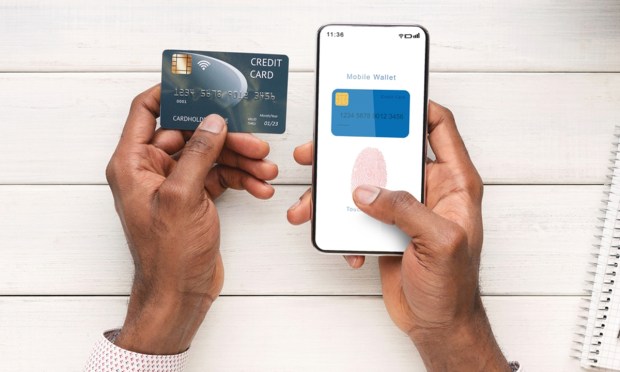
The easiest way to become default is to appear in the wallet before the physical plastic ships. “Instant digital issuance … is the most simple way to ensure you are well positioned for the top‑of‑wallet game from moment one,” Seth Perlman, global head of product at i2c, said. When the card is tokenized into Apple Pay or Google Pay at approval, users get an immediate “Would you like this as default?” prompt—and many tap yes.
3. Let Data Tell a Story Everyone Can Act On
KEMBA formed a data governance committee and built a “Big Five” dashboard so the CEO sees loan growth, deposit growth, return on assets, penetration of its Advantage Member bundle and net promoter score in one view. “Data is data, but if you don’t allow it to provide you a story … then it means nothing,” Gretchen Bartholomew, vice president of operations and payment strategy at KEMBA, said. The dashboard pinpoints where behavior is shifting, prompting product tweaks or more coaching before wallet share leaks away.
4. Blend Digital Speed With Human Empathy
Hybrid service is not optional for Generation Z, Sumeet Grover, UFCU’s executive vice president, chief strategic growth and digital officer, argued: “Forty‑eight percent of Gen Z say they would use their card more if given flexible options and controls that are embedded both digitally and in person.” UFCU layers video bankers and on‑campus coaches onto its mobile‑first flows so first‑time borrowers can “scale for efficiency, but also scale for empathy.”
5. Hand Over the Dashboard — and the Brake Pedal
Younger cardholders “want to feel they have their hands on the wheel at all times,” Perlman said. A configurable suite of alerts — covering upcoming due dates, refunds or foreign‑country declines — and real‑time card controls keeps anxiety low and engagement high. Issuers that let users script their own guardrails cut fraud calls and see more approved spend.
6. Tie Rewards to Community and Context
We’d love to be your preferred source for news.
Please add us to your preferred sources list so our news, data and interviews show up in your feed. Thanks!
A 30‑day “Eat Local and Earn” push paid bonus cash back at independent restaurants. Twenty‑two percent of participating members increased spend, and the bump lasted six months. Linking incentives to a mission “struck a chord,” Bartholomew said, proving that seasonal, values‑based offers can outperform perpetual point inflation.
7. Automate the Back Office to Match Front‑End Promises
Belize Bank’s American Airlines co-brand now posts miles weekly instead of monthly after the bank automated file exchanges with the carrier. The same automation of fraud‑rule management eliminated up to 200 daily call‑center requests to lift card blocks. “Join back‑end automation with front‑end convenience,” Ruta advised, or even the flashiest product falters.
8. Embed “Just‑in‑Time” Financial Education
“Lead with literacy and loyalty follows,” Grover said. UFCU’s on‑campus workshops and in‑app nudges give first‑time borrowers “ownership of their financial journey.” KEMBA measures success by behavior change — lower utilization and faster debt pay‑down — after members use its credit‑score simulator and budgeting tools. Both credit unions found that education sticks when it is interactive, personalized and delivered at the exact decision moment, not buried in a resource library.
9. Swap Blanket Rewards for Surgical Campaigns
Legacy processors force issuers to give every cardholder double points in the same month, a costly blunt instrument. i2c’s campaign engine lets marketers run time‑boxed, merchant‑funded offers to precisely defined segments. “Issuers want to get much more surgical … to accelerate spend in particular categories,” Perlman said. The result: bigger lifts at lower cost.
10. Use Propensity Models to Serve Relevance, Not Spam
“The right offer at the right time drives relevance, which becomes revenue,” Grover argued. UFCU’s next‑best‑offer engine weighs transaction timing, channel usage and life‑stage triggers to decide when — and in what emotional tone — to surface an upgrade or installment plan. Moving from “Who qualifies?” to “Who’s ready?” protects margins while surprising members with well‑timed help.
The Takeaway
Top‑of‑wallet isn’t about paying the richest sign‑up bonus or printing the heaviest metal. It’s about removing the milliseconds between approval and first tap, surrounding each swipe with transparent controls and echoing the customer’s own priorities — community, convenience, education — back to them. Implement even a handful of the 10 tactics above, and the default‑wallet question practically asks itself.


 Add as Preferred Source