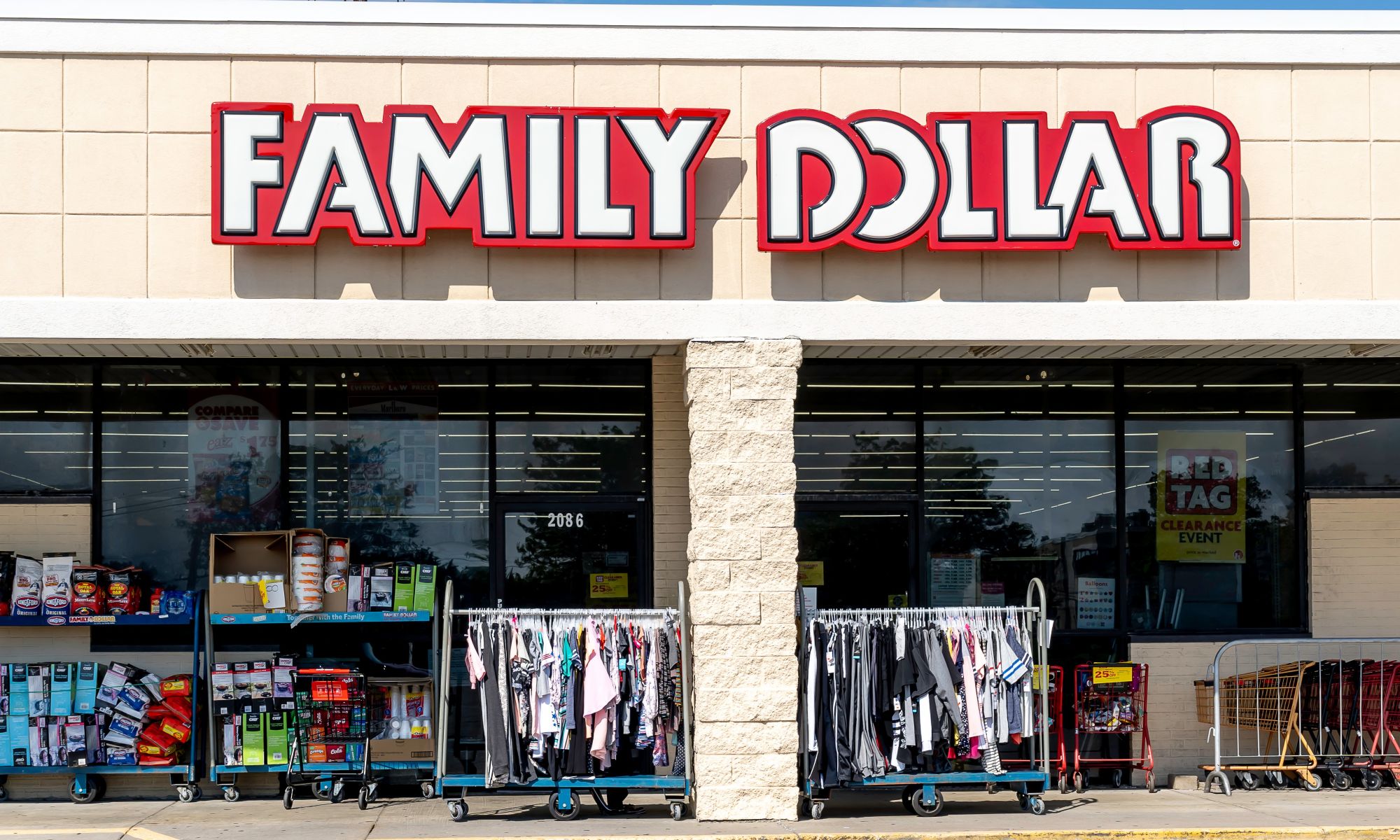
That’s according to the Federal Trade Commission (FTC), which announced Thursday (Nov. 12) that the settlement stems from the discount retailer’s practice of charging shoppers more at the register than the prices displayed on shelves, price tags and advertisements.
“The FTC is committed to ensuring price transparency and fairness so consumers can make informed choices,” Christopher Mufarrige, director of the FTC’s Bureau of Consumer Protection, said in a news release.
“Today’s order will ensure Family Dollar stops deceiving consumers about its prices and returns money to consumers harmed by these practices.”
PYMNTS has contacted Family Dollar for comment but has not yet gotten a reply.
The FTC had alleged in complaint that thousands of Family Dollar stores around the country have overcharged shoppers, including those in low-income communities with limited access to full-service grocery stores, while failing to remedy the issue despite being warned.
In the last five years, state and local regulators have cited the retailer for thousands of pricing violations, resulting in fines of more than $3 million, the FTC added. In the past three years, Family Dollar has reached multiple settlements with state attorneys general and consumer protection agencies, paying more than $800,000 in penalties for inaccurate pricing.
The suit comes weeks after the FTC and 20 states sued Dollar General, which had been Family Dollar’s parent company until last year, alleging that the retailer has a years-long pattern of overcharging shoppers more at the register than the prices displayed on shelves, price tags and advertisements.
Dollar General has said it had been working with the FTC since February to resolve the matter and was surprised the regulator chose to file the suit. It said the allegations were false and would defend itself against them.
“Our goal is 100% accuracy between shelf and register prices in every store,” Dollar General said. “As with other retailers and despite our policies and procedures, occasional price discrepancies can occur. When that happens, our store teams are instructed, empowered and expected to make things right for the customer. In recent years, we have enhanced our price-accuracy processes and remain committed to continuous improvement.”
The FTC has been warning retailers against the use of personalized pricing, or prices based on consumer’s specific information.
“The FTC does not have the legal authority to ban personalized pricing in all circumstances, but businesses that fail to tell consumers how their personal data is being used to set a price may be in violation of the FTC Act and other laws we enforce,” Andrew Ferguson, the commission’s chairman, said in August.