The capital will help Ernesta with its goal of expanding the domestic rug market — projected to grow to $120 billion by the end of the decade — by giving residential and commercial buyers the opportunity to buy “from a thoughtfully curated selection of rugs cut to fit their exact space,” according to a Monday (Nov. 7) news release.
The company, due to launch in the spring of 2023, said in the release it offers relief to customers facing months-long waits for decor items by providing an “agile, on-demand manufacturing process.”
We’d love to be your preferred source for news.
Please add us to your preferred sources list so our news, data and interviews show up in your feed. Thanks!
Foley, the company’s CEO, said in the release he saw a “white space in the market” when he considered how confusing shopping for rugs could be.
“With Ernesta, our goal is to bring high-quality, custom rugs to a wide audience through a community-driven, curated and personal buying experience,” he added in the release.
Research by PYMNTS found that compared to other types of eCommerce merchants, D2C firms are offering the most user-friendly checkout experiences, a crucial competitive advantage when it comes to fueling sales and fostering loyalty.
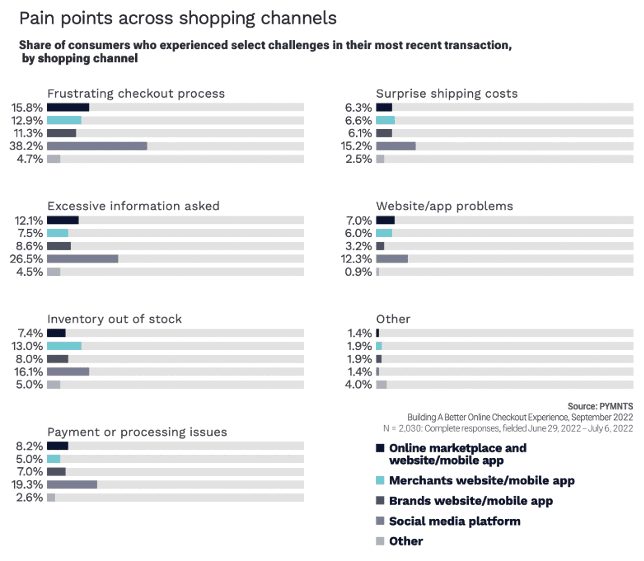
“Building a Better Online Checkout Experience: The Key Features That Matter to Customers,” created in partnership with Checkout.com and drawing from a survey of 2,030 U.S. consumers, found that just 11% of shoppers experienced a frustrating checkout process with their most recent purchase directly from a brand.
By contrast, 13% were frustrated with the checkout process when buying from a merchant’s app or website, 16% when purchasing from a digital marketplace, and 38% when making a purchase from a social media platform’s marketplace.
Why does this matter? An unpleasant checkout experience can not only have a negative impact on a consumer’s perception of a brand; it can also lead them to abandon their would-be purchase before they get to checkout.



 Add as Preferred Source