PYMNTS’ Digital Divide: Aggregators And High-Value Restaurant Customers, a collaboration with Paytronix, discovered that nearly one-quarter of all restaurant customers are classified as high-spending, high-frequency diners. These customers buy meals from restaurants at least once a week and spend more than $40 at a time when they 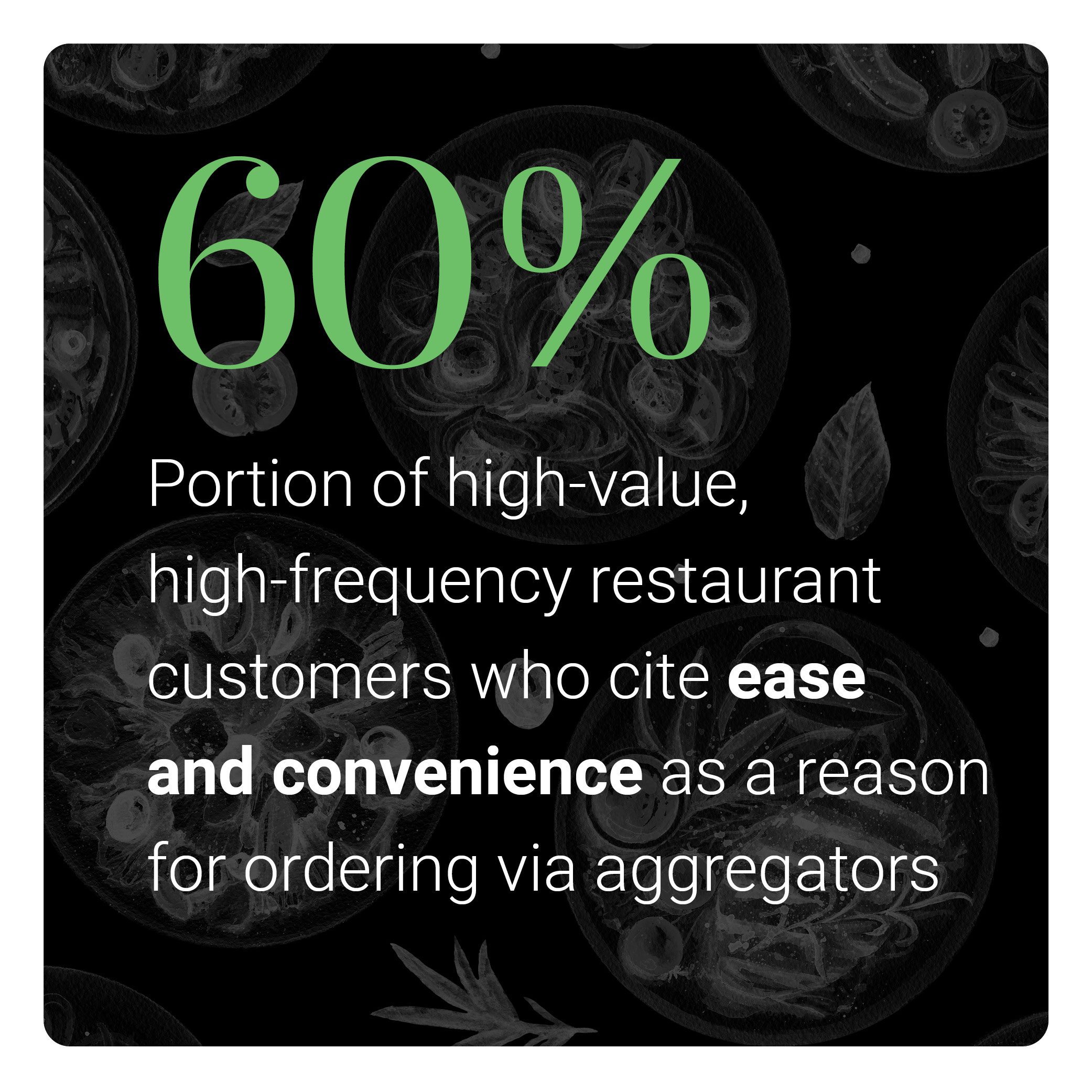 do, making them a particularly appealing demographic to keep tabs on.
Diners in this category tend to be young and earn high incomes. Thirty-five percent of millennial restaurant customers are classified as high-spending, high-frequency consumers, and 33% of diners in this category report earning more than $100,000 per year. PYMNTS also found that many of these customers turn to food aggregators and services with more frequency, meaning restaurants must examine how these options are grabbing their attention and develop a plan of action to win them back.
Other key findings in the report include:
High-spending, high-frequency consumers are more likely than other customer segments to utilize food delivery aggregators. They represent 44% of restaurant customers who ordered meals from table-service restaurants using an aggregator in the past three months.
These customers are also more convinced of the cost benefits of food delivery aggregators. More than one-third state that ordering from aggregators is cheaper than using other channels, a much higher portion than any other customer segment.
Diners in this category are also more focused on finding special deals than other customers. Forty-seven percent of high-spending, high-frequency customers say they could be persuaded to order directly from restaurants if offered special deals or discounts. Forty-two percent say the 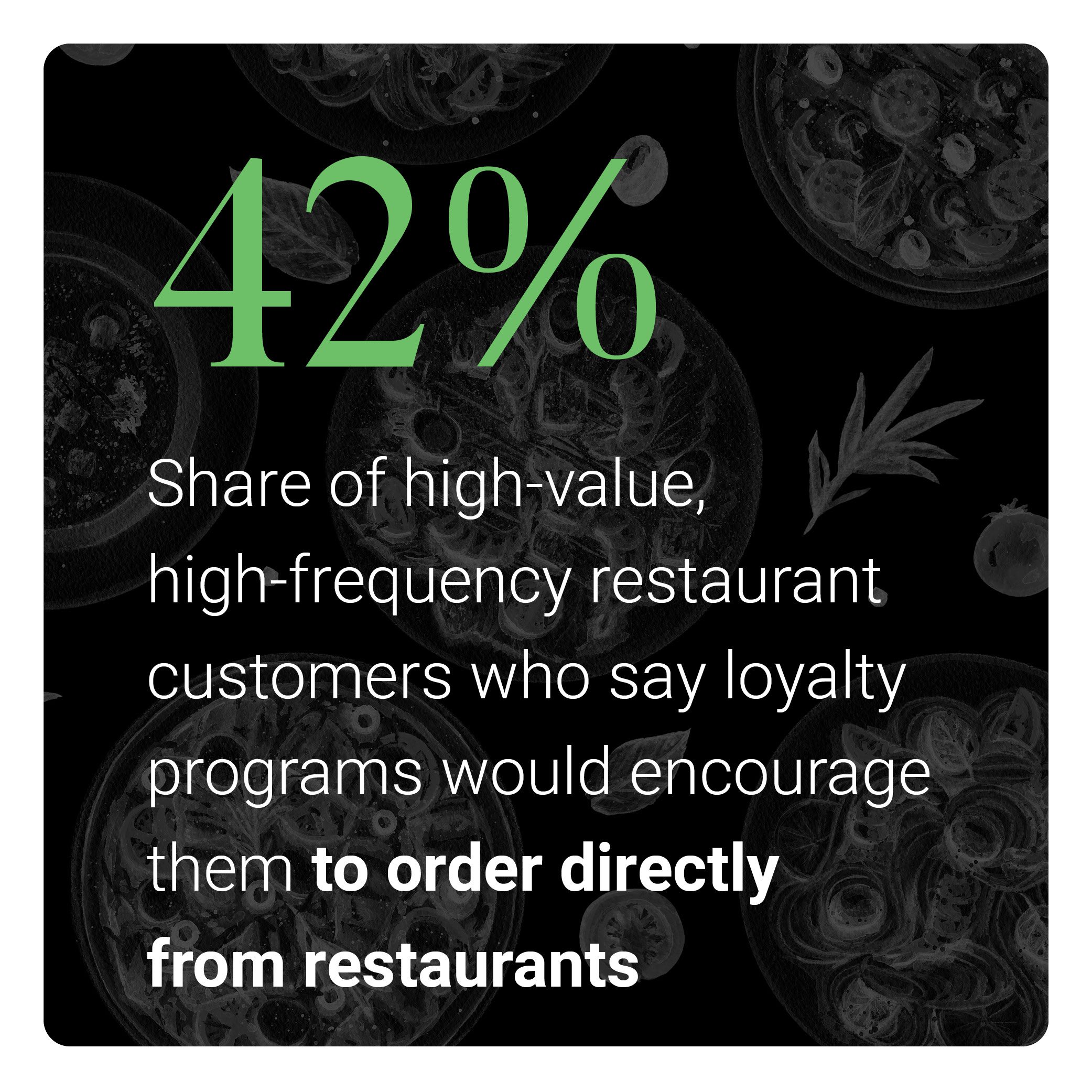 same when it comes to being offered loyalty programs.
These are just a few of the findings outlined in Digital Divide: Aggregators And High-Value Restaurant Customers, based on a survey of 2,146 U.S. restaurant customers conducted between Sept. 29 and Oct. 2.
To learn more about the preferences of high-spending, high-frequency restaurant customers, including their use of food delivery aggregators, download the report.


 Building lasting
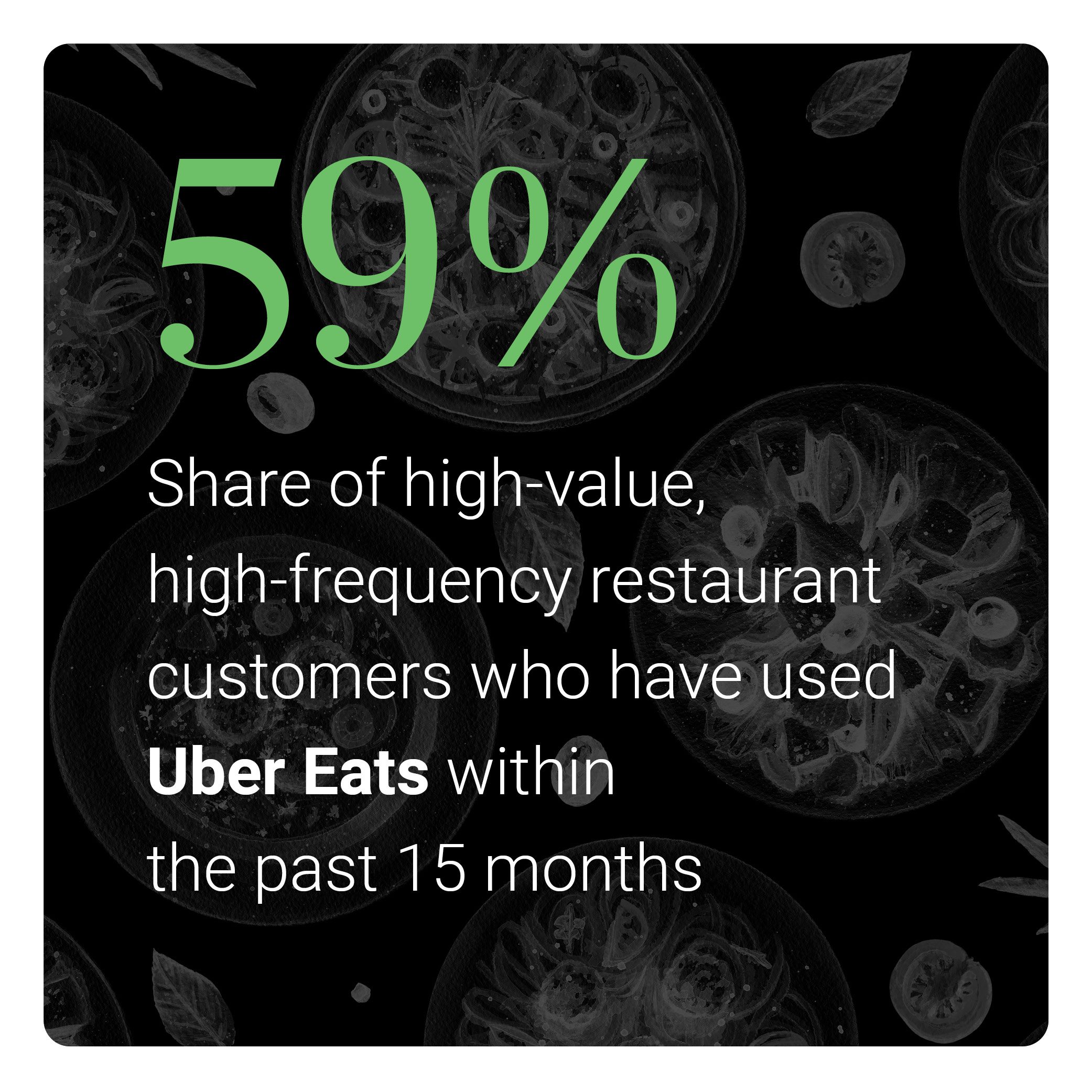 relationships with customers has always been a top priority for restaurants, with repeat customers — especially those primed to spend large amounts on every order — making up the bulk of competitive eateries’ customer bases. Understanding these customers’ dining and ordering preferences is imperative, but recent PYMNTS research shows that doing so requires keen attention to detail on how they are placing orders.