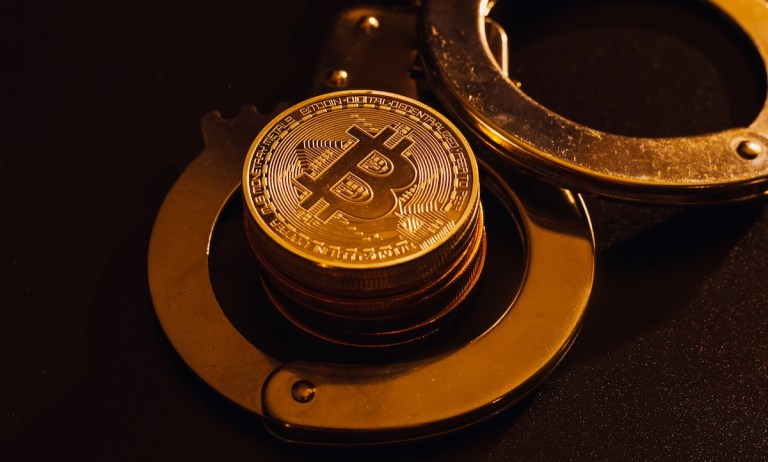
However, in the industry’s early days, before most businesses had even heard the term “cryptocurrency,” the first scams were already unfolding.
Fast forward to today, and crypto-related fraud has evolved into a multibillion-dollar global phenomenon. In the past few days alone, the U.S. Department of Justice filed a civil forfeiture action after discovering a crypto fraud scheme impersonating the Trump-Vance Inaugural Committee, while the U.S. Secret Service’s Global Investigative Operations Center announced it is scaling up worldwide operations having seized nearly $400 million in crypto assets, storing them in one of the world’s largest government-run crypto cold wallets.
While governments and exchanges try to keep pace, the real question for mainstream firms is what the broader business world can learn from the arc of deception that has shadowed cryptocurrency’s rise.
From amateur phishing campaigns to coordinated global fraud rings, the history of the crypto scam is not just a cautionary tale about new technology. It is a revealing mirror for business leaders, offering hard-earned lessons in trust, transparency, consumer protection, and the human psychology that underpins market behavior.
Read also: Crypto Scamming Intensifies as Digital Asset Market Rallies
Advertisement: Scroll to Continue
Crypto’s Early Days and the Wild West of Digital Gold
In the early 2010s, bitcoin forums were populated by developers, libertarians and a few forward-looking investors. Most scams in this period were unsophisticated but devastating due to a lack of awareness.
The 2014 collapse of Mt. Gox — at the time, the largest bitcoin exchange in the world — marked a turning point. Nearly 850,000 bitcoins vanished under mysterious circumstances, sparking global headlines and attracting regulatory scrutiny.
Yet even as concern grew, a new wave of scams emerged under initial coin offerings (ICOs). From 2016 to 2018, thousands of blockchain-based startups raised money via ICOs, issuing their own tokens to investors without offering equity or much accountability. In many cases, the tokens were unregistered securities. Others were outright frauds.
Among the most infamous was BitConnect, which promised guaranteed daily returns through a trading bot. In reality, it was a classic Ponzi scheme. At its peak, BitConnect’s market cap exceeded $2.6 billion before collapsing.
Another tipping point came in 2022. Terra’s algorithmic stablecoin UST collapsed, vaporizing $45 billion in value. Celsius, a crypto lending platform, halted withdrawals amid insolvency. Most dramatically, FTX — once the poster child of institutional crypto adoption — imploded in late 2022.
FTX founder and CEO Sam Bankman-Fried was arrested and later convicted of orchestrating one of the largest financial frauds in history. Unlike Mt. Gox, FTX was embedded in American financial and political ecosystems, with naming rights on arenas, Super Bowl ads and high-level meetings in Washington. Its collapse shattered any remaining illusions about crypto’s immunity from traditional fraud dynamics — and intensified scrutiny from regulators and institutions alike.
Billions of dollars in customer assets were misused, regulators were misled, and the crypto industry’s credibility was shredded. These failures weren’t just about faulty technology. They were human failures like poor governance, unchecked ambition and systemic opacity.
See also: Crypto Firms Grapple With Bank-Like Risks, Without the Regulation
Realignment Means Institutional Adoption With Guardrails
The scams that rocked crypto didn’t emerge from nowhere. They followed a pattern — innovation outpacing oversight, hype overwhelming caution, centralization masquerading as decentralization.
For enterprises, regulators and financial institutions integrating digital assets into their operations, the evolution of crypto scams, from opportunistic hacks to well-organized state-backed deception can offer insight into the systemic risks lurking beneath crypto’s promise of financial services innovation.
Ultimately, crypto fraud isn’t just about code. It’s about psychology — FOMO, trust and greed. Many scams work because they look legitimate. Employee training on wallet hygiene, phishing and impersonation is as vital as any firewall.
According to the PYMNTS Intelligence report “The State of Fraud and Financial Crime in the U.S. 2024: What FIs Need to Know,” social engineering fraud has jumped by 56% in the past year.
The crypto world is not done evolving, and neither are the scams. But businesses that internalize the lessons of this 15-year arc — from governance and transparency to consumer psychology and ethical design — may be best equipped to navigate the next frontier of digital innovation.