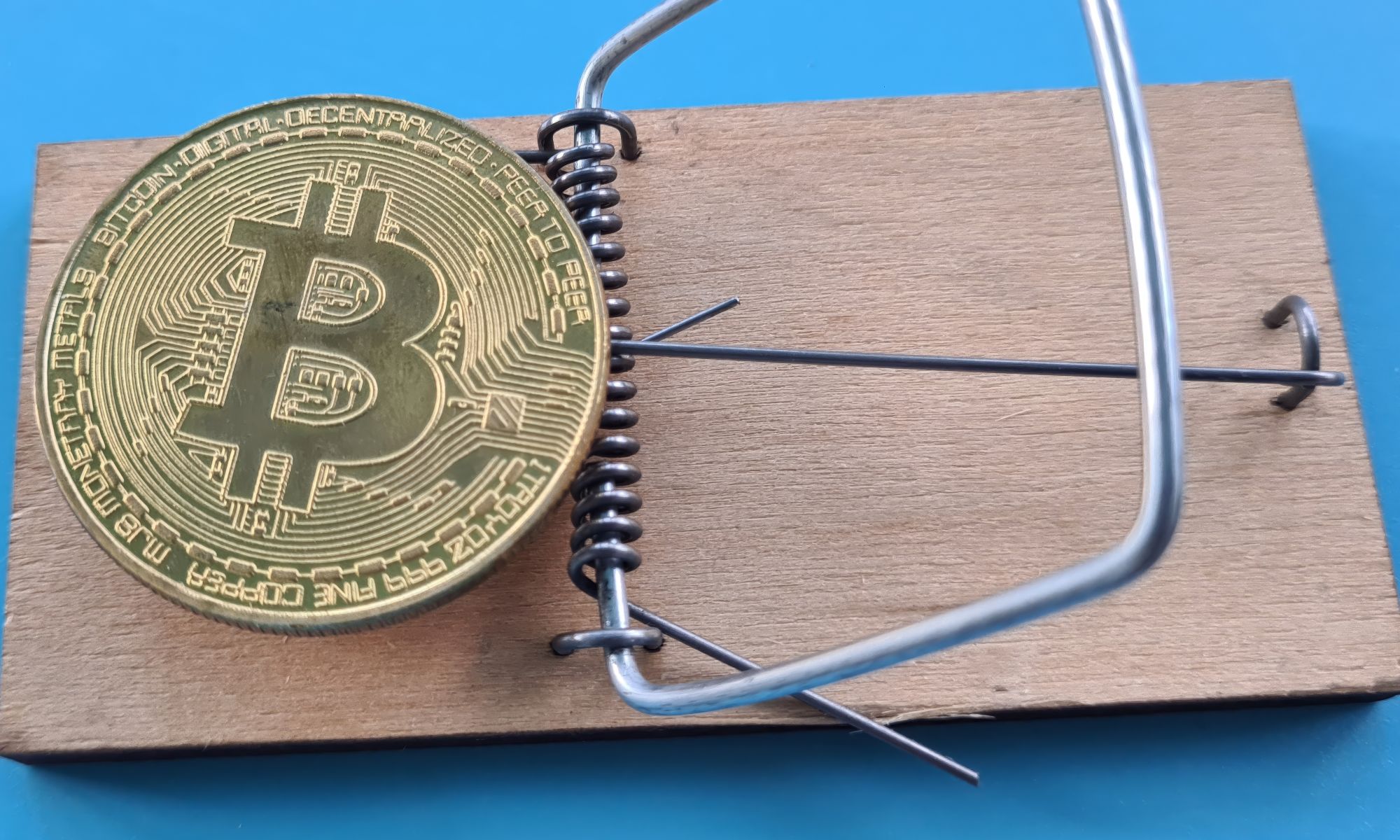
Federal regulators have charged eight Colorado-based organizations in a multimillion-dollar cryptocurrency investment scam.
These entities, likely headed by people based overseas, tricked investors into thinking they were working with a legitimate investment adviser and crypto asset trading platform, the Securities and Exchange Commission (SEC) said in a news release Thursday (Nov. 19).
In fact, the adviser and the platform were completely fake, fronts established to cheat investors out of more than $37 million, the commission said.
“The SEC continues to seek out and expose fraudulent investment scams that prey on U.S. investors,” Laura D’Allaird, chief of the SEC Enforcement Division’s Cyber and Emerging Technologies Unit, said in a news release. “We encourage the public to continue reporting these schemes by using our online portal.”
According to the SEC complaint, the defendants — companies with names like “Advisor WeChat Capital” an “RealSimple Crypto Exchange Inc.” — enticed investors using social media advertisements directing them to group and private chats controlled by fraudsters.
“The individuals in the chats, claiming to be associated with an alleged investment adviser, first gave advice to trade stocks on U.S. markets before luring their victims to send as much money as possible to a supposed crypto asset trading platform, leading victims to believe they were buying real crypto assets on the platform,” the release added.
The defendants used a range of tactics to lend themselves a sense of legitimacy, including by making fake SEC certificates and directing investors to filings they’d made with the SEC and other regulators, the commission said. The scheme worked in four “adviser-platform pairs” from August 2024 through May of this year, with the perpetrators abandoning one pair for the next after a few months of operating, the SEC added.
The SEC’s Office of Investor Education and Assistance has issued alerts warning investors that fraudsters could be using popular group chats or claim to be officially registered with the SEC to scam investors. The commission encourages people to use Investor.gov to check the background of anyone offering or selling investments.
Writing about crypto scams earlier this year, PYMNTS noted the edge banks have over digital asset companies in spotting suspicious activity.
“Depository institutions reported customers transferring large sums between their own accounts, applying for loans and second mortgages, seeking other financing and ultimately sending money to crypto businesses or scam-affiliated beneficiaries. They also encountered customers who insisted they were following trusted investment advisers but were reluctant to provide details about them,” that report said.
“In other words, crypto platforms can see where the scam money is going. Banks may be able to see what the victim is doing to obtain it.”