“The acquisition extends Basware’s invoice lifecycle management capabilities all the way to the payment itself,” the company said in a Monday (Oct. 5) news release.
The release notes that an “invoice can be authentic, accurate and properly approved, but the supplier bank account associated with it may be fraudulent.”
The deal combines capabilities linking invoice and payment assurance. Per the release. Basware determines the validity of the invoice by helping finance teams establish whether an obligation is “authentic, accurate, compliant, and approved.”
We’d love to be your preferred source for news.
Please add us to your preferred sources list so our news, data and interviews show up in your feed. Thanks!
Trustpair “extends that to payment assurance” by confirming a supplier is genuine, the bank account belongs to that supplier, and the payment is headed to the proper destination, per the release. The goal is for both capabilities to provide a “connected view” of the financial decision behind every payment, joining invoices and payments “in one governed lifecycle,” Basware added.
“As payment fraud increasingly targets supplier identities and bank details rather than the invoice itself, finance teams must establish trust when supplier data first enters the business, maintain it as information changes, and validate it again before funds are released,” the release said. “The combination of Trustpair and Basware makes this possible.”
Basware said Trustpair will continue independent operations with its existing platform, specialist focus, customer relationships, contracts, and support, and will still support and expand integrations across ERP, treasury, procure-to-pay and payment platforms.
“Customers will continue to be able to deploy Trustpair across their existing finance environments, whether or not they use Basware,” the release said. “This open ecosystem strategy remains unchanged and central to Trustpair’s approach.”
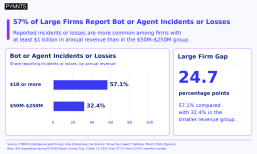
The acquisition comes at a moment when businesses are increasingly moving fraud checks ahead of payments, as recent PYMNTS Intelligence research has shown.
“Prevention First: Building a Smarter Defense Against Payments Fraud,” created in collaboration with Bottomline and based on research conducted in July, found that more than one-third of businesses say they have suffered check fraud. Close to half say checks account for at least 10% of their losses related to outgoing-payment fraud.
“For treasury and finance teams, the challenge starts long before a payment is sent. A supplier must be checked, bank details must be confirmed, and an unusual request must reach the right person for review,” PYMNTS wrote last month. “Each step takes work. Skipping one can give a convincing scam the opening it needs.”


 Add as Preferred Source