Artificial intelligence shopping agents are creating a new kind of customer at the merchant’s front door: software that may know what a consumer wants, yet arrives without many of the signals merchants have learned to trust.
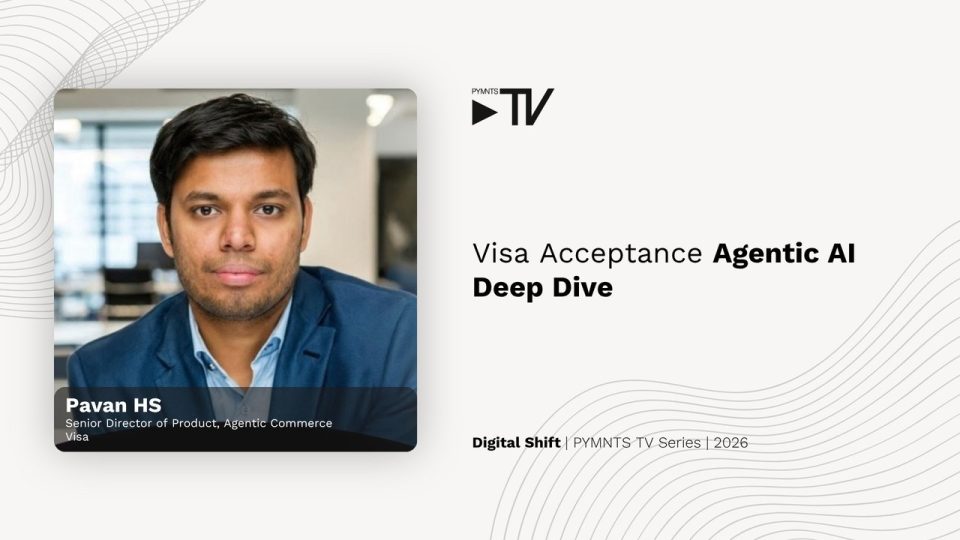
Pavan HS, senior director of product, agentic commerce at Visa, told PYMNTS that merchants are approaching AI agents as another route to a sale, with the same requirements surrounding payments, fraud, loyalty, returns and customer service that apply elsewhere.
“At the end of the day, for merchants, agentic commerce is just another sales channel,” he told PYMNTS. “The two things that they care about is being trustworthy and making it convenient for their consumers.”
The channel is one that takes shape well before checkout. A consumer planning a winter trip to Norway, for example, might ask Gemini, Google’s AI assistant, to help find a jacket. The merchant then has to supply enough structured product information for the agent to connect “Norway in winter” with the attributes of a suitable coat. Different agents can retrieve that information through different protocols or through web crawling, leaving merchants to decide where and how they want their catalogs exposed.
“Some merchants might choose to sell on other AI platforms, and some merchants might choose to build their own chatbot,” the Visa executive said. “There are pros and cons associated with each of these approaches.”
Existing Payment Systems Meet a New Kind of Transaction
Providers must understand those nuances. Merchants aren’t likely to replace their payment infrastructure to accommodate agents. The task is to make agent-initiated transactions work with systems already handling authentication, fraud, tokenization, disputes and omnichannel commerce.
“No merchant is going to rip up their payment stack just to make agentic commerce work,” HS said.
We’d love to be your preferred source for news.
Please add us to your preferred sources list so our news, data and interviews show up in your feed. Thanks!
He described one North American merchant selling through Gemini as illustrative of frictions inherent in the process. Gemini supported Google Pay, while the merchant didn’t accept Google Pay on its eCommerce site, and its store terminals connected directly to another processor. A customer buying through Gemini and returning the item in a store the next day could therefore create a problem correlating the original credential with the card presented for the refund. Visa’s token management service was used to connect the credentials across the two transactions.
Tokens can serve another function when an agent is authorized to pay. HS said Visa’s agentic tokens are generated against a defined purchasing intent, constraining where the credential can be used. Visa also pairs them with FIDO-based authentication, including biometrics, to establish that the consumer authorizing the transaction is using the expected device.
Fraud systems present a separate complication because an AI agent can alter familiar transaction signals.
HS cited Gemini traffic that originated in Singapore even though both the consumer and merchant were in the United States. Existing fraud rules began declining the transactions. Simply disabling those rules would have created another risk, so the merchant had to adjust its fraud controls for the new traffic pattern.
Agent identity poses a broader issue. A merchant receiving automated traffic needs to know whether it is dealing with an authorized shopping agent or a malicious bot. The answer becomes harder when an agent’s corporate registration, originating IP address and consumer are associated with different jurisdictions.
“We haven’t really figured out what an agent identity is,” HS said.
Visa’s Trusted Agent Protocol is one avenue by which to provide merchants with information about an AI agent’s origin, intent and the consumer behind it while allowing merchants to determine what the agent may do. HS said merchants could permit an agent to browse a catalog, for example, without necessarily permitting it to complete checkout. Content delivery networks including Cloudflare and Akamai are also supporting agent identity protocols that can evaluate automated traffic before it reaches a merchant’s site.
The operational test comes after merchants turn the channel on. HS said they need to monitor authorization rates, chargebacks and disputes rather than regard a successful integration as the finish line. Agentic commerce may originate somewhere new, but its transactions still have to survive the payment, fraud and post purchase systems merchants already depend on.
Watch the full interview with Pavan HS to learn more about:
- How guest checkout and account requirements can change an agent-led purchasing journey.
- Why merchants want to understand the consumer behind an agent for loyalty and repeat purchases.
- How responsibility and common standards could develop across agents, payment instruments and merchants.


 Add as Preferred Source