Now, the tech giant says it is taking its Bee line beyond just wearable items, with a pair of new products announced Thursday (Oct. 15).
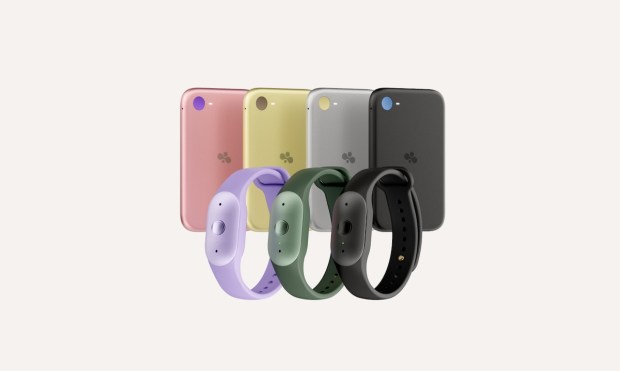
Rather than being worn, the Bee Eclipse is a device about the size of a credit card that attaches to the back of a user’s phone and is designed to “turn conversations into useful summaries, insights, and to-dos,” as Amazon said in its announcement.
“Let’s say you’re on the phone with family members or friends planning a vacation,” the company said. “You can turn Bee Eclipse on to help you remember all the logistics you discussed, from preferred arrival times to favorite restaurants—ensuring no details are missed—so you can keep your holiday plans on track.”
We’d love to be your preferred source for news.
Please add us to your preferred sources list so our news, data and interviews show up in your feed. Thanks!
Amazon noted that the Eclipse, like all Bee devices, does not store audio or allow that audio to be shared or accessed. Users are prompted to get permission from call participants every time a new recording begins, the company added.
Also announced Thursday is Bee Frontier, which Amazon describes as “personal AI” users can wear on their wrists or clip onto their clothes, and is designed to stay with users for a full week without interruption, “allowing it to get smarter and more useful for you over time.”
In announcing the acquisition in a LinkedIn post last year, Bee CEO Maria de Lourdes Zollo said that joining Amazon let her company bring its “personal, agentic AI” to more customers.
“When we started Bee, we imagined a world where AI is truly personal, where your life is understood and enhanced by technology that learns with you,” Zollo wrote. “What began as a dream with an incredible team and community now finds a new home at Amazon.”
In other Amazon news, PYMNT wrote last week that while the company now captures more spending than rival Walmart in electronics, its reach has begun to extend into categories such as health and personal care.
“That breadth gives Amazon several ways to grow as consumers shift more purchases toward goods they can research, order and have delivered without visiting a store,” the report said.
Research from the September 2026 PYMNTS Intelligence report, “Amazon Takes Five Categories as Walmart Tightens Its Grocery Grip,” shows that Amazon increased its spending share in every category monitored in the second quarter. Its share of total U.S. retail spending came to a record 9.6%, compared with Walmart’s 7.5%.


 Add as Preferred Source