A merchant can spend to get a Gen Z shopper through the digital door, persuade them to choose a product, and still lose the customer over the payment methods displayed at checkout.
Twenty-eight percent of Gen Z shoppers abandoned or would have abandoned an online cart in the previous month because digital wallets weren’t accepted, according to PYMNTS Intelligence’s September 2026 “The Hidden Cost of Checkout Gaps” report, produced in collaboration with PayPal.
The comparable rate is 18% for millennials, 10% for Generation X and 3.9% for baby boomers and seniors.
For merchants targeting younger consumers, payment acceptance therefore reaches beyond the mechanics of completing a transaction. The payment mix can affect whether the money already spent attracting a shopper produces a purchase and whether that shopper stays with the merchant when their preferred wallet is missing.
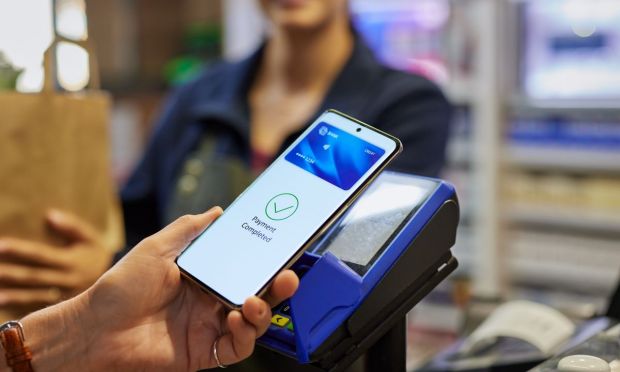
Wallet use is already widespread among those customers. Forty-seven percent of Gen Z shoppers and 44% of millennials used a digital wallet to complete an online purchase during the previous month.
The behavior when acceptance fails is more significant for merchants trying to build repeat relationships.
Nearly half of Gen Z consumers who made their latest retail purchase using a digital wallet would have switched merchants or abandoned the purchase entirely if the wallet hadn’t been available. The report puts that share at 48%.
Gen X wallet users show less willingness to leave, with 25% to 27% switching merchants or abandoning a purchase depending on the transaction category.
We’d love to be your preferred source for news.
Please add us to your preferred sources list so our news, data and interviews show up in your feed. Thanks!
For merchants, the generational difference changes how payment acceptance fits into customer acquisition. Adding another wallet may look like a checkout decision when measured against payment volume alone. The calculation changes if failing to offer it sends a prospective customer to another seller after the merchant has already incurred the cost of bringing that shopper to checkout.
Payment Choice Follows the Customer
The broader numbers show why the issue isn’t confined to a small group of wallet devotees.
About 87 million consumers, or one-third of U.S. shoppers, used at least one digital wallet online in the previous 30 days. Another 77 million, or 29%, used one in a store.
The report estimates that 36 million U.S. shoppers abandoned or would have abandoned a cart during the month because their preferred digital wallet wasn’t accepted. That group includes consumers who actually abandoned a cart, wallet users who completed a purchase but say they would have left without wallet acceptance, and consumers appearing in both groups.
Gen Z makes the commercial exposure more acute because its shoppers combine high wallet usage with a greater willingness to leave.
Merchants have traditionally treated payment acceptance partly as a conversion issue: give customers enough ways to pay and reduce friction at the end of the purchase.
The Gen Z numbers add another consideration. A checkout that doesn’t support the wallets younger shoppers already use can also reduce the return on the work and spending required to get those customers there in the first place.
For merchants competing for younger shoppers, the payment options at checkout are becoming part of the customer acquisition and retention equation.


 Add as Preferred Source