
"For last year's words belong to last year's language. And next year's words await another voice."

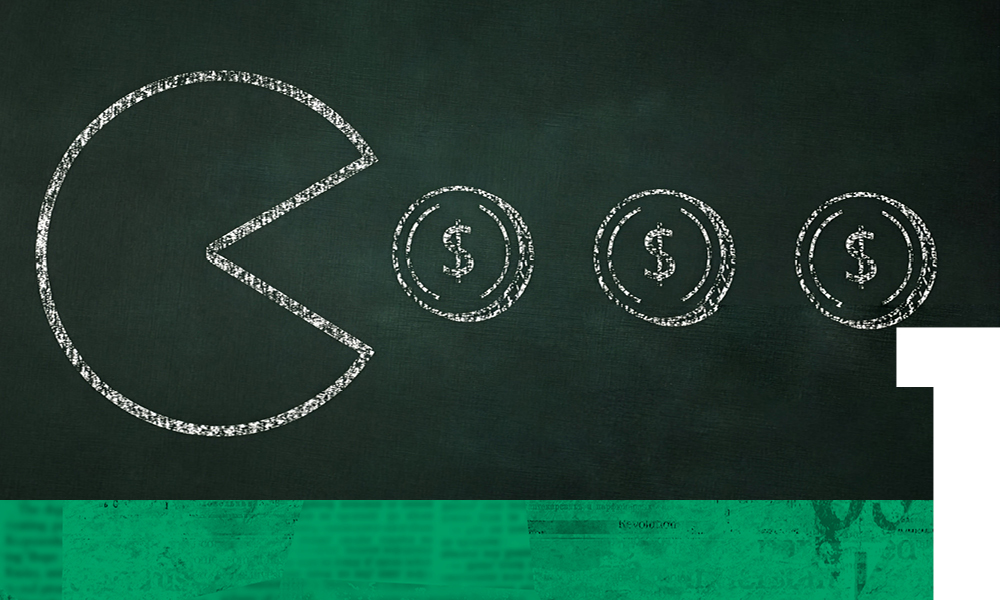
In 2026, tokenized bank deposits overtake stablecoins as the preferred on-chain dollar for institutional and wholesale money, not because stablecoins disappear, but because banks turn deposits into programmable infrastructure without breaking the existing financial system.
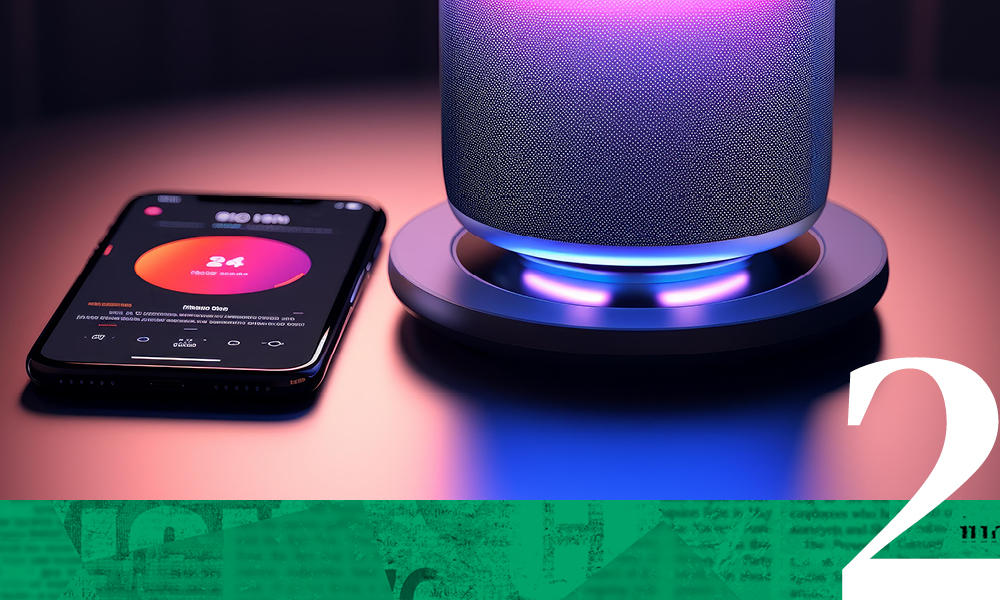
Voice will finally pull agentic commerce onto the mobile phone by turning complex, desktop-only “go do this for me” prompts into natural, spoken conversations that consumers can have anywhere. The platforms that win in 2026 will be those that embed capable voice agents deeply into devices, apps, and operating systems, not just those that bolt AI onto legacy assistants.
Smart Agents are not the next evolution of Super Apps. They reverse the logic that made Super Apps powerful in the first place.
In 2026, Buy Now, Pay Later stops being a checkout feature and becomes working capital for the modern middle class, replacing overdraft and late fees as the default way paycheck-to-paycheck consumers manage timing gaps between income and expenses.
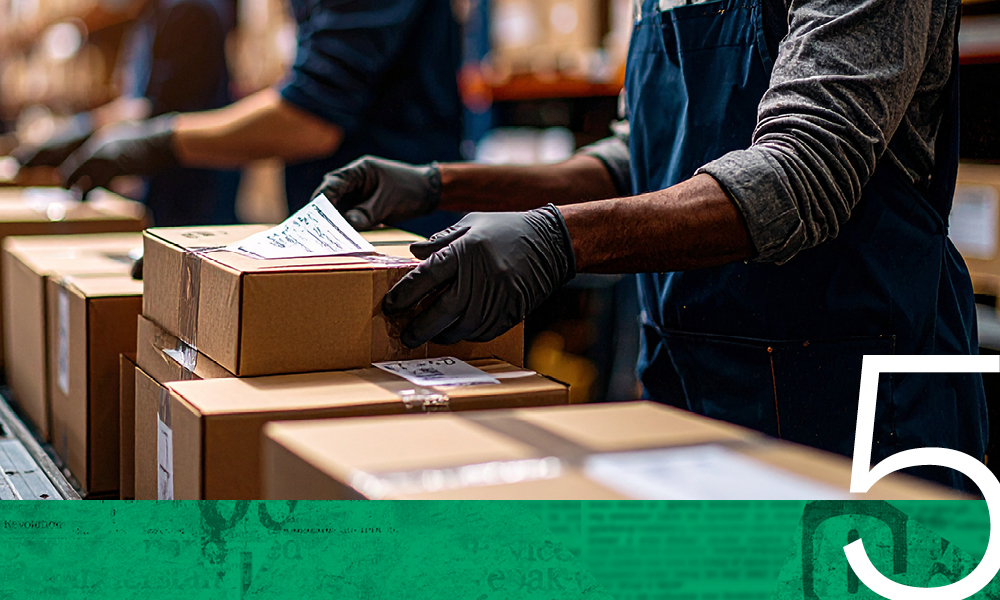
In 2026, the Labor Economy becomes one of the most important sources of economic growth — not despite automation, but because of it. As intelligence scales, demand accelerates for human labor that cannot be abstracted away.
In 2026, online and digitally-influenced retail finally surpasses brick-and-mortar sales in the categories that matter most to modern retail. This moment has been years in the making, obscured less by consumer behavior than by how the industry measures itself.

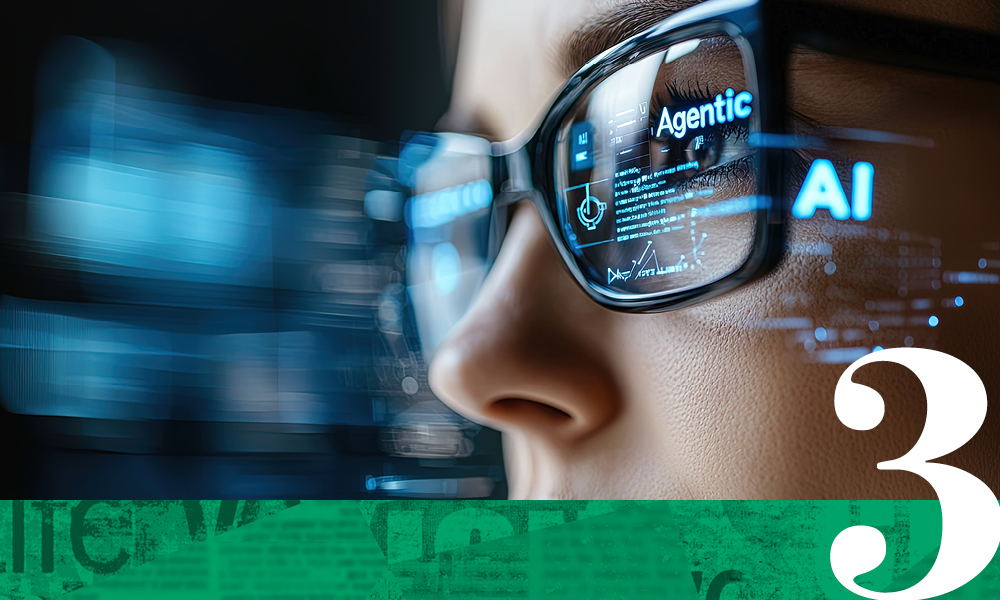
By the end of 2025, the conversation around autonomous AI changed in a way that had little to do with public debate and everything to do with use. In 2026, that shift makes the argument about AI hype largely irrelevant.

“Your margin is my opportunity” was Jeff Bezos’s way of describing Amazon’s hunger for bloated profit pools. In 2026, the real question isn’t whether margins get attacked, but who gets to turn whose margin into whose opportunity as consumers, enterprises and their agents decide how they want interactions to work, what information they are willing to share and where costs ultimately land. From Bezos to agents: who owns the opportunity.
The CFPB’s decision to dial down enforcement of BNPL and other nonbank credit products hasn’t created a vacuum. It has invited fifty competing rulebooks to take its place.

AI-driven longevity is redefining aging, with longer, healthier lives fueling more spending later in life. The result: inheritance happens later and looks very different.
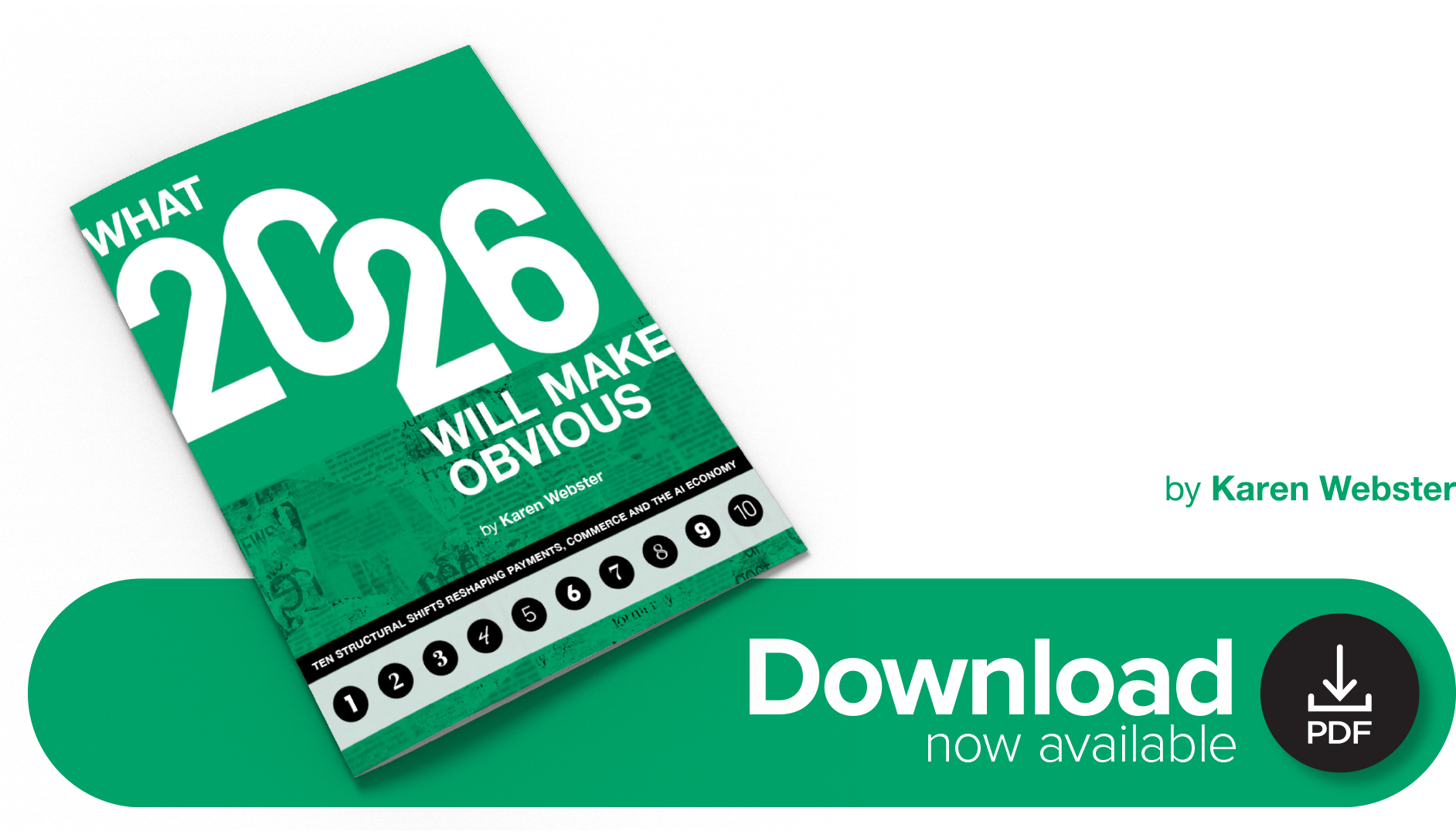
What 2026 Will Make Obvious
If 2025 was the year everyone argued about AI, 2026 is the year AI makes the argument irrelevant. Not because the debates disappear, but because the operating system of commerce and payments starts to change underneath them. The most important shifts don’t arrive as splashy product launches. They show up as new defaults: what consumers expect to say out loud, what software is allowed to decide, and which legacy profit pools suddenly look less like moats and more like unpriced opportunity.
This eBook, “What 2026 Will Make Obvious,” brings together 10 essays drawn from PYMNTS CEO Karen Webster’s 2026 predictions. They share a common throughline: the next phase of digital transformation won’t be won by adding features to yesterday’s experiences. It will be won by redesigning who does the work and where decisions get made.