The findings show that financial instability for lower-income workers is shaped not only by how much they earn, but also by how predictable their schedules are. Labor Economy workers—hourly, gig, seasonal and shift-based employees earning less than $25 an hour—often face fluctuating hours and short-notice schedule changes. Unstable work schedules make paychecks difficult to anticipate and household budgets difficult to manage.
For many workers, unstable work schedules create a chain reaction. Changes in hours can alter weekly pay with little warning, making it harder to time bills, build savings or avoid short-term borrowing. More than six in 10 Labor Economy workers experienced at least one financial setback tied to schedule changes in the past 90 days, including earning less than expected, paying bills late or having to dip into savings.
We’d love to be your preferred source for news.
Please add us to your preferred sources list so our news, data and interviews show up in your feed. Thanks!
The report also finds that schedule predictability is increasingly shaping career decisions. Many workers now weigh reliable hours alongside wages when considering jobs, side work or career transitions. At the same time, workers with unstable work schedules often struggle to pursue new opportunities because they cannot risk income gaps or unpredictable time away from work.
The findings point to a broader issue around financial stability and workforce design. Greater schedule visibility, guaranteed hours, compensation for canceled shifts and faster access to earned wages could help reduce the financial pressure created by unpredictable work schedules.
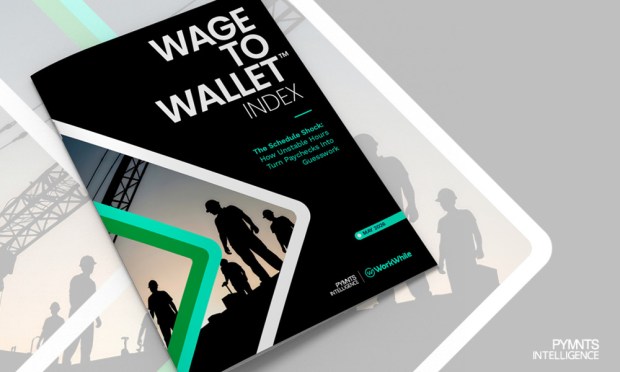
Download “The Schedule Shock: How Unstable Hours Turn Paychecks Into Guesswork” to learn more.
In “The Schedule Shock: How Unstable Hours Turn Paychecks Into Guesswork,” learn how:
- Schedule unpredictability creates financial volatility beyond wage levels. The report shows how unstable work schedules and short-notice changes can disrupt household cash flow, increase reliance on credit and make routine expenses harder to manage.
- Reliable schedules are becoming a workplace benefit. Labor Economy workers increasingly view predictable hours as part of financial security, influencing decisions about job searches, side work and career mobility.
- Existing worker protections and financial tools remain limited. The report finds that relatively few workers receive guaranteed hours, compensation for canceled shifts or access to on-demand pay, despite the role these tools could play in reducing financial stress.
About the Index
The Wage to Wallet Index is a monthly study produced by PYMNTS Intelligence in collaboration with WorkWhile. It tracks how wage growth, income access and job stability among Labor Economy workers affect household resilience, consumer demand and overall economic performance. This report is based on a survey of 2,465 U.S. adults conducted from May 4–11, 2026. Analyses of schedule structure, work transitions and employer protections are based on 1,529 employed respondents, including self-employed individuals.


 Add as Preferred Source