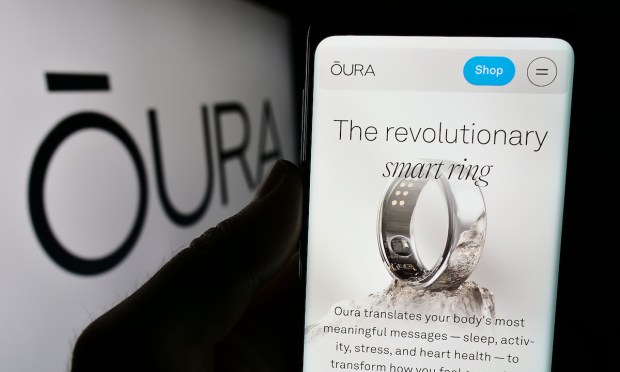
The ring is the way in. The business investors are pricing is what happens to the data after it leaves the finger.
Ring Data Feeds the Subscription
Oura grew revenue 74% to $1.21 billion in the nine months ended June 30, Reuters reported. The roadshow targets a fully diluted valuation of $15.62 billion.
Oura’s membership costs $5.99 a month or $69.99 a year and gives members more than 50 health metrics and personalized insights, according to a Tuesday (Sept. 22) prospectus report from Forbes. Membership revenue rose 121% to $240.5 million in the nine months ended June 30, and the company expects to end fiscal 2026 with about 5.7 million paid members, up 96% from a year earlier. That subscription carried an 89% gross margin, TechRepublic reported. Hardware sells once. The data stream renews every night.
Eli Lilly, which already works with Oura on connected care, has indicated interest in buying up to $100 million of the offering, according to Reuters.
For most of Oura’s history, members read the ring’s signals as scores and charts and drew their own conclusions. AI changes what the company can charge for.
Women’s Health Model Turns Signals into Answers
We’d love to be your preferred source for news.
Please add us to your preferred sources list so our news, data and interviews show up in your feed. Thanks!
Oura launched its first proprietary AI model in February, letting its Oura Advisor chatbot answer questions about women’s health, from early menstrual cycles through pregnancy and menopause, TechCrunch reported. When a member asks a question, the model pulls from medical standards and research reviewed by Oura’s in-house clinicians and reads the member’s own biometric signals across sleep, activity, cycle, pregnancy and stress data.
The model runs on Oura-controlled infrastructure and conversations are not shared or sold, the company said. It is not built to diagnose or prescribe treatment, and the ring is not a medical device. Ricky Bloomfield, Oura’s chief medical officer, said women’s health is “too complex and too often overlooked” for one-size-fits-all tools.
The model is rolling out through Oura Labs, an opt-in testing hub inside the app, and the company plans to refine it on member feedback before wider release. The design choice is the point. The chatbot does not ask the member to describe last month. It already has last month.
Chatbots Chase the Same Data
General-purpose AI is moving toward the body from the other direction. OpenAI said hundreds of millions of people ask ChatGPT health and wellness questions each week, and in July it rolled out Health in ChatGPT to U.S. adults, letting them connect Apple Health data on sleep, movement and activity along with medical records. Available information varies by app, and some proprietary scores may not transfer, the company said.
That gap is where Oura is positioning itself. A chatbot that borrows wearable data through an intermediary gets a partial feed. A wearable that runs its own model gets the full record and the member’s questions in the same place.
Competitors are building a similar stack. Whoop added hormone tracking and blood-panel testing for perimenopause and thyroid health and raised money at a $10 billion valuation in March, TechCrunch reported. Samsung launched the Galaxy Ring two years ago. Apple and Garmin sell devices that feed health platforms of their own.
Oura is expected to price the deal Sept. 29 and begin trading on Nasdaq under OURA next week.


 Add as Preferred Source