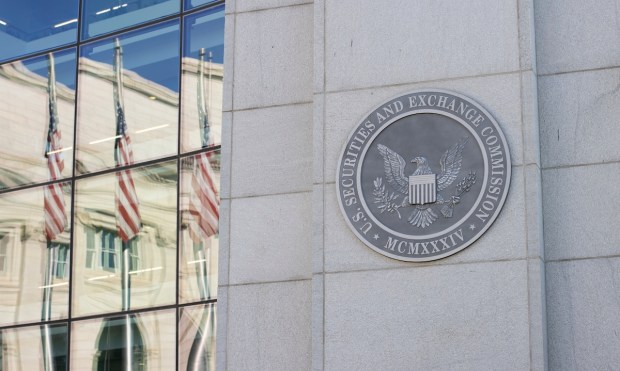
“Statement on Fair Value Measurement and Disclosure Considerations for Private Assets” was made by SEC Chief Accountant Kurt Hohl and SEC Director of the Division of Investment Management Brian Daly.
“The growing accessibility of private assets, including private credit, calls for a critical reminder that registrants maintain rigor over how these assets are valued and how those valuations and asset risk characteristics are disclosed to investors,” the statement said. “Likewise, these issues are relevant for auditors who are responsible for evaluating management’s judgments and the sufficiency of a registrant’s disclosures.”
We’d love to be your preferred source for news.
Please add us to your preferred sources list so our news, data and interviews show up in your feed. Thanks!
SEC staff has seen “significant growth in private credit” while reviewing filings and interacting with market participants, according to the statement. Private credit investment within registered fund portfolios has increased nearly 60%, from $170 billion in December 2020 to $270 billion in December 2025.
These assets are usually illiquid, individually negotiated loans that don’t trade on established secondary markets and thus typically lack readily available quoted prices, making their fair value more complicated to determine, per the statement.
One of the key components of measuring that value is access to relevant information in a timely manner, the statement said, adding that a lack of timely information does not absolve companies of their responsibility to estimate fair value.
“Across the valuation and disclosure topics discussed in this statement, the underlying message is the same: Robust policies and procedures, paired with material disclosure, help investors understand an entity’s fair value process, the judgments involved, and the risks associated with private assets,” the statement said. “As markets continue to develop and evolve, disclosure of the context around the basis for valuations and inherent uncertainties can be material for investors to evaluate recognized private assets measured at fair value.”
Although credit quality has long determined who gets funded, information quality is now drawing the same line in corporate borrowing and working capital, PYMNTS reported Aug. 26.
As private credit becomes a greater source of corporate capital, lenders can negotiate for ongoing access to detailed operating information.
“Cash forecasts, customer payment behavior, borrowing-base data, collateral performance and liquidity positions, as a result, are moving beyond internal management tools and becoming inputs into an ongoing underwriting relationship,” the report said.


 Add as Preferred Source