

Americans are facing growing affordability pressures, and companies are having mixed results in passing on higher costs, the Federal Reserve said in its May Beige Book released Wednesday (June 3). The Beige Book, which is published eight times a year and summarizes anecdotal information on current economic conditions gathered...

What U.S. consumers ask of their credit cards has changed. For financially stressed households, it has little to do with rewards. As more households turn to credit cards to manage liquidity and cover everyday expenses, a new set of practical concerns is driving card behavior:...

For merchants, the most important consumer in 2026 may be the shopper who still says yes, but rarely says yes quickly. That’s based on PYMNTS Intelligence’s May 2026 report, “Sentiment Split: Consumers Feel Hopeful Until the Bills Arrive.” The research argues that traditional measures of...

A new PYMNTS Intelligence report suggests the most important shift in consumer credit may not be happening among prime borrowers at all. The report, “Who Is the Subprime Consumer? A Behavioral Profile,” examines how roughly 44 million Americans with subprime credit scores are adapting to...
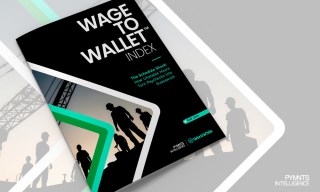
“The Schedule Shock: How Unstable Hours Turn Paychecks Into Guesswork” is the May 2026 edition of the Wage to Wallet Index, a PYMNTS Intelligence and WorkWhile collaboration. The report examines how unstable work schedules affect income stability, household finances and career mobility among Labor Economy...
Consumers are preparing for higher costs before those costs fully hit their wallets. PYMNTS Intelligence found that 58% of consumers expect economic forces to hurt their finances over the next six months, while the same share expects everyday goods to be affected most. The findings...

Consumers are not just cutting back. Many, especially younger adults, are layering one money move on top of another to keep up with everyday costs. That is the clearest signal from “Generations Under Pressure: How Younger Consumers Are Coping With Higher Living Costs,” a recent installment of the PYMNTS...

The paycheck-to-paycheck economy is becoming less about spending habits and more about the way Americans get paid. The November PYMNTS Intelligence report “Income Instability Is Redefining the Paycheck-to-Paycheck Economy” found that 66% of U.S. consumers live paycheck to paycheck. That share dipped slightly from September,...

U.S. consumers are reportedly facing increased financial pressure as tax refunds peter out. Economists and executives are warning that this cash crunch comes as fuel costs related to the Iran war impacts the economy, the Financial Times (FT) reported Monday (May 25). According to the...