Nature abhors a vacuum, and marketplaces do, too. After all, no industry exists in a vacuum.
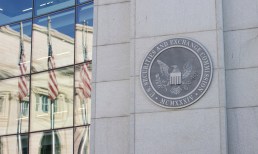
The digital asset space is finding that out in real time, as it enters into an apparent regulatory vacuum after the Sept. 15 failure of the Digital Asset Market Clarity Act to advance in the Senate. But federal agencies have already stepped into that vacuum. The Securities and Exchange Commission in particular is beginning to address cryptocurrency’s next commercial challenge of not simply how digital assets enter regulated finance, but how they raise capital, mature and trade once they get there.
The SEC’s proposed Regulation Crypto Assets would establish a route for token issuers to raise money and demonstrate when the investment contracts financing their development have ended. A Sept. 17 Innovation Exemption order, meanwhile, grants temporary, conditional relief allowing qualifying venues to trade tokenized U.S. stocks through blockchain-based liquidity pools.
Together, the measures address different parts of the digital asset lifecycle. One concerns the legal obligations surrounding newly developed crypto assets. The other creates a limited pathway for existing public equities to trade through new market infrastructure.
For banks, payments providers and institutional investors, however, the commercial significance lies in making those activities easier to evaluate within defined regulatory structures.
Read also: 5 Crypto Launches That Bet on Clarity but Are Still Going
The SEC Gives Crypto Capital Raising an Exit Strategy
Under proposed Regulation Crypto Assets, digital asset issuers could raise up to $5 million over four years through a startup exemption, subject to public disclosures and a subsequent transition report documenting whether their development commitments were completed or abandoned.
A separate fundraising exemption would permit offerings of up to $20 million or $75 million annually, depending on the tier, with additional disclosure and reporting obligations.
We’d love to be your preferred source for news.
Please add us to your preferred sources list so our news, data and interviews show up in your feed. Thanks!
More consequentially, the proposal establishes a conditional safe harbor for determining when an investment contract involving a crypto asset has ended. Issuers would need to demonstrate that they had completed or permanently ceased their promised essential managerial efforts, without making new commitments of that kind.
The June installment of PYMNTS Intelligence’s Credit Union Tracker Series, “The Wallet Effect: How Credit Unions Can Close the Digital Currency Access Gap,” a collaboration with Velera, revealed that stablecoin awareness falls short for 70% of credit union members.
See also: SEC Rulemaking Is Giving Corporate Finance a New Crypto Hurdle Rate
The SEC’s Innovation Exemption addresses how tokenized versions of existing public stocks can trade outside conventional exchange infrastructure, a different obstacle. The Sept. 17 order grants temporary, conditional relief from the Exchange Act’s definition of an exchange to qualifying Tokenized Securities Venues. These venues can facilitate trading in tokenized National Market System stocks using permissioned automated market makers and liquidity pools.
This is not blanket authorization for tokenized securities trading. It is a controlled test of whether blockchain-based market infrastructure can accommodate established investor protections while introducing alternative methods of liquidity provision.
For financial institutions evaluating digital asset opportunities, the emerging question is increasingly operational. Which businesses can document their regulatory status, demonstrate compliance and support commercial activity within established safeguards?
The SEC’s initiatives do not resolve every uncertainty surrounding digital assets. But they suggest that the next phase of crypto’s institutional development may be determined less by whether financial assets can exist on a blockchain than by the infrastructure and evidence required to support them.
The PYMNTS Intelligence and Citi report “Chain Reaction: Regulatory Clarity as the Catalyst for Blockchain Adoption” found in January that regulation will shape blockchain’s next leap.
For all PYMNTS digital transformation coverage, subscribe to the daily digital transformation newsletter.



 Add as Preferred Source